He composed a trombone concerto and two symphonies, he had a degree in chemical engineering as well as being a front-line wartime photographer. Add to this a singing career that took him to more than 30 opera houses, including The Met, Bolshoi and The Vienna State Opera, and almost 100 recordings – and you still have a fairly inaccurate picture of the versatile and multitalented Finnish bass baritone Kim Borg.
Kim Borg celebrated his 80th birthday in 1999 and the British magazine Gramophone wanted an interview. I went to see Kim Borg in his 230 square metres flat in the north of Copenhagen, and I soon sensed that this was the home of a very special singer. All the rooms were covered with bookshelves – with even more books lying on tables and on the floor. Not only scores and books on music, but books on practically any subject you could ask for. Both Borg and his wife, Ebon, were avid readers. “I read a lot. Right now I’m studying the life of Carl Linné, the Swedish botanist – a manic genius. I myself am not exactly manic, but like Linné I have always been hard working”.
The son of an architect father and a music teaching mother, Kim Borg was born in Helsinki on August 7th, 1919. His mother gave him the first singing lessons, and it was obvious that young Kim had an unusual material. “Low voices is a kind of family tradition. As a boy my voice was too deep even for singing alto parts in the local boys choir.” At first there was nothing, though, to indicate that Borg would end up singing professionally. “I wanted to be an architect like my father, but he advised me strongly against it. It was an insecure profession, and very little was built in Finland then. So I turned to chemical engineering for the safety in it.”
But all along Borg continued to sing in local choirs, and he began to discover the repertoire for his voice. “I was a quick learner. At sixteen I sang King Philips monologue from Verdis Don Carlos – apart from the high E. That single note eluded me completely. But I sang a lot of music early on – mostly in male choirs while studying at the University of Technology in Helsinki.”
“My first real teacher was a friend of the family, Heikki Teittinen. He was not the right teacher for me, and his method consisted of almost violent exercises that in the end made me lose my voice completely. That was actually the idea of his method; you have to destroy the voice as it is, and then rebuild it. It was awful. In the end I lost interest in singing altogether, and it took years for my voice to recover”
But the Continuation War, following the Winter War between Finland and the Soviet Union in 1941, changed the 22 year old Borgs life completely. He was by now an avid photographer, and was enlisted as such. This meant front line work in very difficult circumstances, and Borg considers it a miracle that he survived. “Of course I was scared, but not as much as I should have been, if I had known just how dangerous the whole thing was.” says Borg today. After the war he graduated as a chemical engineer in 1946, and two years later he found himself studying musical theory and composition at the Sibelius Academy in Helsinki. All along Borg continued his voice lessons with Adelaide von Skilondz in Stockholm and Magnus Andersen in Copenhagen.
His official recital debut in 1947 did not lead to engagement at the Finnish National Opera, but through a job as Colline in La bohème with a Danish provincial company Borg eventually ended up in Copenhagen. “Gremin in Eugen Onegin is a very important part even though it lasts is only 7 minutes all together. And my succes was almost frighteningly colossal.” That was in 1952, and Kim Borg was now offered a contract as a member of the Royal Opera in Copenhagen. “The salary was more than generous, but it was very difficult to sing elsewhere. You were required to be at the disposal of the theatre at all times, and this was not helpful if you wanted to try your luck at the international scenes.”
Nevertheless Borg did get permission to sing abroad, and at 33 years of age his international career began taking him all over the opera-producing world. Now Borg was required not only to sing, but also to act. “At that time directors generally did not demand all those stupid things of a singer that are now common – singing lying down or with your back to the audience, for instance. I learned early on to act as little as possible, and I think I was helped a lot by my natural stage presence. I did not have to do spectacular things to get the attention of the audience, but then again it robbed me of the possibility to sing minor roles. As the 2nd Armoured Man in The Magic Flute I would simply be too imposing on stage.”
In 1959 Borg made his debut at the Met singing the Count in Le nozze di Figaro – not the only role in Borg’s repertoire often sung by baritones. “Don Giovanni is certainly better suited to a bass than to a baritone. Nowadays, unfortunately, baritones often sing the part – but it suited my voice perfectly.” The repertoire for bass is crowded with villains and angry fathers – but Kim Borg always tried to find the human side of any character. As the demonic Baron Scarpia in Tosca he was one of the few singers to emphasise the beauty of the lines in Puccinis music. This he did with a natural phrasing that can be sampled in the complete recording he made of the opera for Deutsche Grammophon in 1961 with Horst Stein conducting a cast including Stefania Woytowicz as Tosca and Sandor Konya as Cavaradossi.
Borg is superb in blending the dark sides of Scarpia with the elegance and craftsmanship of a real seducer, but, alas, the whole thing is sung in German. This reflects the state of the German record industry in the sixties. Kim Borg signed up with Deutsche Grammophon at a time when they would issue operatic exerpts in two versions; one in the original language and one in German. “A completely silly idea altogether”, says Borg today, “but I had to sing Verdi and Puccini in German if I wanted to make records at all. DG head me in Berlin and they signed me up immediately. I had the great fortune to record lieder with the eminent accompanist Michael Raucheisen. He was amazing in pieces like Schuberts “Erlkönig” – a great inspiration.”
Unlike many famous colleagues Kim Borg never took much interest in his own recordings. “I never listen to them, and I do not own an even remotely complete collection of them. They simply don’t interest me.” One of the gems in the Borg discography is King Marke’s monologue “Tatest du’s wirklich?” from Tristan and Isolde recorded in 1954. Here Borg’s both dignified and heartbreaking portrait of the anguished King gives as much pleasure as anyone on record. One hears how well suited Wagner is to the dark and yet flexible voice. “I have sung everything Wagner wrote within my range. He was a bastard as a person, but he really knew how to write music”.
Mussorgsky is an essential composer for a bass like Kim Borg. Many will remember his superb contributions to EMI’s acclaimed 1952 recording of Boris Godunov conducted by Issay Dobrowen – not in the title role but as Rangoni and Shchelkalov, two minor characters. Around the same time Borg recorded Pimen’s narrative for DG, and a decade later he added Boris’ monologue and the death scene for a recital LP conducted by Horst Stein. “Mussorgsky is music made for my voice,” says Borg.. “I head Ezio Pinza sing some of his music in Italian, and I knew that this was something for me. He was a very musical man, but his lack of theoretical education is evident in the music. It is often said that he was an alcoholic – and he was, but then again; everyone was in Russia then! Nowadays it is common to perform Boris Godunov in Mussorgsky’s original instrumentation, but I quite disagree with this. The Rhimsky-Korsakoff version is much better – and I have sung all of them, including Schostakovich’, which is of course made by a genius instrumentator, but I think it is too dry – and lacking in warmth.” This is clearly a favourite subject with Borg, who himself has made an instrumentation of Mussorgsky’s “Songs and dances of Death”, a version often performed in concert halls today.
Here’s a rare clip of Kim Borg performing on TV in 1961 with Gerald Moore at the piano:
In 1965 Borg sang in Haydn’s The Creation in Salzburg under Karajan. “Karajan was a unique conductor. He was so easy to work with, and although he sang terribly himself he certainly knew exactly what to expect from each individual singer. And he was never afraid of taking liberties with the music – he didn’t just perform the notes, he always made music!” Listening to the live recording of the Salzburg Creation of 1965, it is obvious that Borg felt at ease with Karajan, daring to sing the parts of Raphael and Adam with all the nuances in his voice. It is interesting to compare this recording with the later patch-work studio-recording made with almost the same team (although Borg is replaced by Walter Berry as Rafael and by Dietrich Fischer-Dieskau as Adam, and Fritz Wunderlich, due to his untimely death before the sessions were completed, is sharing the tenor part with Werner Krenn). I much prefer the live version with Borg to both the Karajan studio-version without Borg or to Borg’s earlier Markevitch recording, most of all because of the way Borg clearly enjoys the event of a live concert. I much prefer his no-nonsense approach to the music of Adam to that of Fischer-Dieskau, and most of all I appreciate the fact that Borg has infinitely more power in reserve for use at crucial moments than either of his two colleagues on the DG recording. In addition the live recording has Wunderlich all the way through – enough for me to listen through the rather dimly recorded sound from Salzburg.
Kim Borg is Finnish, and he never forgot his home, although he spent most of his life far from its lakes and woods. And wherever he sang in recital he brought not only the songs of Sibelius with him, he was also a strong advocate for lesser known contemporary Finnish composers like Oskar Merikanto and Yrjö Kilpinen. “Sibelius’ songs are not really for my voice – they are a bit too high. The same can be said about the songs of Kilpinen, but I sang them just the same. Kilpinen was a manic worker – almost like Schubert. He wrote 600 songs, and I have done all of them. I guess I did too much Kilpinen in the end. They are nice songs, but now I’m a bit fed up with them.” Borg recorded a selection of Kilpinen songs in 1959 with the pianist Pentti Koskimies. As a sample of Borgs eminent gift for acting through the microphone try out the sinister meeting between Death and the lonely drunkard in Kilpinen’s “Der Tod und der einsame Trinker”, or listen to the simple beauty of “Minnen”. Also included on the CD are some Borgs own songs; they are more complimentary of the composer Kim Borg than of the singer, being recorded in 1979 by the 60-year old Borg in rather uneven voice.
In 1972 he had accepted a position as professor in Copenhagen. “Voice teaching really is bogus! I was appointed professor at the Royal Academy of Music in Copenhagen, and then I of course had to teach. But basically I think that singing can’t be taught. The best thing a teacher can do for a student is to stay away from the voice and leave it to develop naturally. It is only possible to teach singers who themselves are bright enough to do it properly.” Kim Borg admits that he himself had not only a good material in his throat but also a certain talent for music. “The musicality lies in the phrasing of the lines – not just in having an accurate ear for intonation or facility in reading music.”
The interview was coming to an end and Kim Borg summed it all up: “Perhaps I was not a real singer – more of a musician” he says. “I had a quite good basic voice, but not more than that. It was the talent that made the difference. As I said before I don’t think singing can be taught; you have to have it inside of you, you have to do it naturally, otherwise you can just as well forget it.”
Han er østriger, men blev født i Tjekkiet for 85 år siden. Familen stammer fra Tyskland, Italien og Slovenien, og han har i de sidste mange år boet fast i London.
Jeg købte min første Alfred Brendel-lp som 13-årig, og han har fulgt mig lige siden. Jeg oplevede ham live adskillige gange, både herhjemme og i Wien, London og Berlin – og jeg vender altid tilbage til hans Beethoven, Schubert, Liszt og Mozart.
Alfred Brendel er nu én af de sidste, store nulevende pianister. Han spiller ikke offentligt længere, og laver ikke flere indspilninger. Derfor er det ikke falsk varebetegnelse, når Decca nu i anledning af den runde fødselsdag i sidste måned har udgivet “The Complete Philips Recordings” – 114 cd’er med alt, hvad Brendel gennem årene indspillede for det nu nedlagte plademærke.
Hvad er så min favorit-Brendel-indspilning? Hårdt presset ville jeg vælge Mozarts Es-dur klaverkoncert nr. 22 – Brendels spil i den andensats er simpelthen noget af det smukkeste klaverspil, jeg kender.
I den nye kasse med de 114 cd’er er der Brendel-lytning nok til resten af livet; hele to komplette cykler af Beethoven-sonaterne, tre af klaverkoncerterne, Mozarts klaverkoncerter, og masser af Schubert, Liszt og Haydn. Foruden lieder med både Matthias Goerne og Dietrich Fischer-Dieskau.
Brendel fortæller i den lille video nedenfor om sit forhold til Beethoven og Schubert, som han har arbejdet så ufatteligt meget med i årenes løb:
Brendel begyndte faktisk at indspille allerede som teenager, men det var hjemme i stuen med en båndoptager, han havde fået fingre i, og som lærte ham at lytte til sit eget spil på en ny måde. Senere fik han først en pladekontrakt med det amerikanske pladeselskab VOX, som udgav masser af lp’er med Brendel i anden halvdel af 50’erne. Så fulgte de mange år hos Philips, hvor han altså indspillede musik nok til at fylde 114 cd’er i den nye boks.
Alfred Brendel stoppede med at spille offentligt i 2008 efter en karriere på 60 år, men det betød ikke, at han lagde sig dovent hjemme på sofaen; han begyndte at skrue op for de mange andre interesser, han havde; jeg oplevede ét af hans foredrag på konservatoriet i København for nogle år siden, og han underviser unge musikere – især strygekvartetter – og skriver bøger, både om musik, men også i form af digtsamlinger. Et ægte renæssancemenneske, selv om han helt sikkert først og fremmest vil blive husket som pianist. Lyt f.eks. lige til Brendel, når han spiller Schubert:
He was almost synonymous with the Danish national song heritage as well as being one of the 20th century’s truly remarkable lyric tenors. His career spanned over little more than a decade. It was crudely interrupted in 1946, when he barely survived a tumor acusticus operation that changed his voice forever. The recordings he made after the operation – as a baritone – does not in any way compare with the ones he before his illness.
I can’t remember when I first heard the voice of Aksel Schiøtz. I don’t think many Danes can. Just like Edith Piaf in France or Frank Sinatra in the United States he just seems to have always been there. But I am quite sure that whenever I heard Schiøtz first it must have been on the radio, probably during the popular Sunday afternoon request-hour. Not many Sundays went by without Aksel Schiøtz singing one of the popular songs from Emil Reesen’s operetta Farinelli and it is indeed difficult to grow up in Denmark without ever hearing the Danish songs by Nielsen or Weyse sung with the velvety sound, the clarity of diction and the pure musicianship of Aksel Schiøtz.
Just what makes a singer stand out from the crowd is not always easy to tell, but with Aksel Schiøtz I am certain that it is his youthful, almost boyish open sound. The voice we hear on the records is a well-focused, truly lyric tenor with a perfectly placed vibrato. It sounds so natural and effortless, and still has a very personal ring to it.
Few Danes are aware that the man who still today is almost synonymous with our national song heritage is also one of this century’s truly remarkable lyric tenors. His career spanned over little more than a decade, until it was crudely interrupted in 1946, when he barely survived a tumor acusticus operation that changed his voice forever. The recordings he later made as a baritone does not in any way compare with the ones he before his illness.
During the years from 1933 to 1946 Aksel Schiøtz recorded more than 200 sides for HMV. In the autumn of 1996 the Danish Danacord label launched the first of ten volumes in a complete edition of the recordings made by Schiøtz as a tenor, now available in an 11-CD box at bargain price. The sound restoration was done by Andrew Walter at EMI’s Abbey Road studios, and Danacord all along collaborated with Gerd Schiøtz, widow of Aksel and at that time still living in Copenhagen. ‘I have never heard Aksel’s voice sound so natural on record as they do now’ said Gerd Schiøtz, then aged 89. ‘These new transfers are superior to all previous attempts that I have heard.’
Aksel Schiøtz was born in 1906 in Roskilde, just 30 kilometres from Copenhagen. After language studies at the University of Copenhagen he became a schoolteacher, but his interest in singing took all his spare time. Two persons would soon encourage the young teacher to make a career of his voice. In 1931 Schiøtz married Gerd Haugsted, who came out of a musical family, and who was soon acting as a combination of wife and agent for Aksel. And she was not the only one to guide his career. ‘I had a competitor whose influence on my dear husband was to last for many years, and would sometimes closely resemble tyranny’ says Gerd Schiøtz. This competitor was Mogens Wöldike, whom Schiøtz met at the age of 24. Wöldike, himself then only 32, was already a man of considerable power in the musical life of Denmark. He was not only working as organist at one of the foremost churches in Copenhagen, but was also examiner at the Royal Conservatory and the University of Copenhagen, conductor of the famed Palestrina choir, and was continuing the work of Thomas Laub in restoring the Danish church singing traditions.
Aksel Schiøtz became a member of the Palestrina Choir, and when Mogens Wöldike in 1931 formed the Copenhagen Boys and Male Choir, Schiøtz was chosen as one of the tenors. The foundation of this choir was a school for boys with special emphasis on music in the curriculum, and the fact that he convinced the Danish authorities to support this idea tells us much about the energy, boldness and authority of Mogens Wöldike. But he was a man not to be contradicted. Gerd Schiøtz: ‘We nicknamed him ‘The Wöldike’ and the term was used in our home like ‘The Lord’ and ‘The devil’.’
Wöldike soon gave Schiøtz solo parts in the oratorio concerts given by the boys choir. Schiøtz himself has described the rehearsals with Wöldike: ‘Wöldike’s rehearsals with soloists had, with all their relaxed mood, a feeling of examination. It went without saying that you had done your utmost and that you had learnt your lesson, so that he could put his artistic stamp on your performance.’ Volume one of the Schiøtz edition contains 10 minutes of a previously unissued rehearsal where Wöldike conducts two Handel arias, and the brief spoken dialogue between Schiøtz and Wöldike clearly shows their teacher/pupil relationship.
Schiøtz did his first recording in 1933 on the Polyphon label as an anonymous member of a jazz-inspired ensemble (Polyphon X50 190). In spite of this and other early attempts in the studios his serious recording career only began a couple of years later. Someone heard Schiøtz around Christmas 1937 – someone important. On 17th January 1938 Aksel Schiøtz wrote to his wife:
‘Telephone call from Hartkopp, head of Skandinavisk Grammofon (Danish HMV). He said, ‘Take hold of yourself, Schiøtz. Yesterday I was told by our London Office to find the singer A.S., presumed to live in Copenhagen, and to make some test records, a concert aria by Mozart and an aria from Die Entführung, paid for by the London Office, and without obligation on either side.’ Hartkopp was quite dumbfounded, he did not know anything about me…’
And so, on 1st March 1938, Schiøtz recorded the requested tests for London. Only one side of three has survived, the first part of ‘Per pietà, non ricercate’, KV 420. Apparently the London HMV office liked what they heard, and they suggested that the Danish branch should record Schiøtz in a series of Danish songs. But Hartkopp had already done so himself, knowing that if London was interested in a young Danish artist then he was worth serious attention.
Whenever Schiøtz made important decisions Wöldike was consulted. And one decision had to be taken sooner rather than later; until now Schiøtz had divided his life between teaching at several schools and singing as a semi-professional tenor, but now time was simply inadequate. Schiøtz finally gave up teaching.
HMV in London wanted Schiøtz to come over at the specific request of Fritz Busch who had heard Schiøtz and was considering him for Glyndebourne. On the 4th July 1938 at 11 am Schiøtz sang for a distinguished panel at HMV, among them Fred Gaisberg, Rex Palmer and Lawrence Collingwood, and they all agreed that HMV would take Schiøtz under their wings.
The very next day Schiøtz travelled to Glyndebourne where the panel was no less frightening; Fritz Busch, Carl Ebert, Rudolf Bing and the owner of the estate, John Christie. After hearing Schiøtz, Busch gave him the advise to choose between the oratorio- and concert repertory or the opera. Busch tended to believe that the voice did not have enough ‘bite’ for opera, but that if Schiøtz chose the oratorio all the Mozart operas would of course be within his grasp.
This was just what Schiøtz himself felt; he now wanted to educate his voice further in this direction, and again Mogens Wöldike was consulted. Schiøtz was until then primarily self-taught and he needed a good voice teacher. Valdemar Lincke was chosen, a highly respected teacher in Copenhagen, and later Schiøtz also studied in Sweden with the famous baritone and former director of the Stockholm Opera, John Forsell.
Schiøtz also kept up his work in the recording studio. By the end of 1939 the HMV catalogue could boast more than 50 song recordings by Schiøtz as well as several popular records with Schiøtz appearing under cover as ‘The Masked Tenor’. When hearing these recordings with dance bands and cinema organ it is easy to understand why Schiøtz was immediately recognised by the public as the mysterious tenor; his pure voice, the phrasing and diction gives him away at once.
This recognisable voice, together with his special feeling for the Danish repertory soon made Aksel Schiøtz a popular recording artist in his home country. Most recordings were done in Copenhagen, but in May 1939 Schiøtz recorded his first attempts at a couple of songs from Schubert’s Die schöne Müllerin, in London with accompanist Gerald Moore. It would be five years until Schiøtz could return to London to record the complete cycle.
On April 9th 1940 the War reached Denmark, and all thoughts of an international career had to be abandoned. Aksel Schiøtz now became a symbol of the Danish struggle for liberty, singing at open-air concerts for thousands of people wanting to sing along to the patriotic songs. He even wanted to become an active member of the Danish resistance, but they couldn’t use him. His face was to well-known, and he would be much more useful to the nation’s morale by continuing to sing.
It was not without danger for himself or his family that Schiøtz in this way supported the Danish nationalism. Gerd Schiøtz has her own theory on why Aksel Schiøtz never had really serious trouble with the occupants: ‘I saw the German officers at Aksel’s recitals. They had tears in their eyes when they heard him sing the songs they knew – especially Schubert.’
But Schiøtz fought the Germans in his own ways – for instance by insisting to sing at the funeral of the writer and vicar Kaj Munk, who openly supported the resistance and was assassinated by the Germans in 1944.
When he was on tour in Sweden he was frequently asked by Jewish refugees to bring back messages to their relatives in Denmark. Schiøtz knew, however, that all his luggage would be thoroughly searched by the German police when he returned to Denmark and that it would be impossible to conceal any letters. He then wrote the messages in his music, below the original words, and he hoped that the Germans would take the Danish words in pencil for his own translation of the text. He was never exposed.
Many of the recordings made by Schiøtz during the years from 1940 to 1945 were repeats of Danish songs. The reason for this is the fact that all matrixes had been shipped to London for pressing, and now the War prevented all import from the allied countries. For Aksel Schiøtz the War may have been a boost for his local recording career in Denmark – but it also was a serious blow to his dream of an international career.
After the liberation of Denmark on 5th May 1945, Schiøtz had to fight a new struggle. He had been labelled ‘singer of Danish songs’, everybody wanted him to sing the same repertoire that he had done during the dark years, but he also wanted to be recognised for singing Bach, Handel, Mozart and Schubert.
In November 1945 he joined Gerald Moore in London and together they recorded one of the most consistently successful versions of Schubert’s Die Schöne Müllerin. In January they recorded lieder by Grieg and Brahms (only Grieg’s A Poet’s last Song was issued on 78 as X 7203, the remaining 5 songs were not issued until the fifties on a 7 inch EP) as well as Schumann’s Dichterliebe. It is these recordings together with the Mozart arias conducted by Egisto Tango and the Bach, Handel and Haydn recordings with Mogens Wöldike that form the true legacy of the international tenor Aksel Schiøtz.
My own particular favourites in the Schiøtz discography are spread out pretty evenly over his recording career. I am not ashamed to admit that I thoroughly enjoy the recordings made by “the masked tenor” with cinema organ; especially the wonderfully sentimental Solens vuggevise. What I admire so much is the sincerity and enthusiasm ever present in the recordings, whether Schiøtz sings a Schubert lied or croons a popular refrain. Of the lieder recordings I have a special soft point for the 1940-recording of eight songs from Die Schöne Müllerin. It may not have the insight that the later complete recording has, but the voice is fresher, and I can almost hear the excitement of Schiøtz as he records these songs for the first time. His recording of Lenski’s aria from Eugen Onegin, although sung in Danish, is also a real gem – a glimpse of the operatic side of Schiøtz.
Of the many Danish songs Schiøtz recorded I am especially fond of the purity and beauty of line in his second recording of Underlige aftenlufte – one of the many Carl Nielsen songs he recorded during the War. In this song about longing for home Schiøtz together with the accompanist Herman D. Koppel finds a perfect intimate atmosphere without a touch of sentimentality.
In 1946 the future seemed prosperous for the 40-year old Schiøtz. Walter Legge was the producer at many of the London sessions and he had great recording plans for Schiøtz, and at Glyndebourne he sang the role of the Male Chorus in Britten’s The Rape of Lucretia alongside Kathleen Ferrier. But Schiøtz had not been feeling well for some time and knew that something was seriously wrong. The doctor’s verdict came in November; a tumour on the acoustic nerve. Operating was risky but essential, and even though Schiøtz survived, half his face was permanently paralysed. Although the doctors predicted that he would never sing again, he did fight himself back to the concert stage in 1948. But the golden tenor voice was gone forever.
In Denmark Aksel Schiøtz was still the personification of the Danish song to the public. Not many people at home recognised Schiøtz as a man who had been one of the world’s leading tenors in his field. The Royal Conservatory in Copenhagen would have nothing to do with him as a singing teacher since he did not have any formal education as a singer. The Schiøtz family could not make a living from record royalties – especially since the industry was still suffering very much from post-war restrictions – and some decision had to be taken.
The solution was immigration. In 1955 Schiøtz and his family moved across the Atlantic, where he taught at universities in Minnesota, Toronto and Colorado, as well as giving masterclasses and recitals. Finally, in 1968 he was offered a professorship at The Royal Danish School of Educational Studies in Copenhagen, a position that turned out to be a disappointment. Aksel Schiøtz died in Copenhagen in 1975 of cancer caused by the radioactive contrast fluid injected in his body in connection with the operation in 1946.
The complete 11 CD Aksel Schiøtz Edition is available directly from Danacord and can be ordered here.
The Danish bassbaritone Peter Schram made his operatic debut at the Royal Opera in Copenhagen in 1841, two years before Patti was even born, and he sang Leporello for the first time 1846. He was by then a regular soloist at the Royal Opera, but wanted to continue his studies in Paris. Garcia was enthusiastic about his Danish pupil, and he suggested Schram for the Paris Opera. But Schram was homesick, he declined and returned to Copenhagen. His only appearance outside Denmark was in Stockholm where he sang alongside Jenny Lind. After his retirement as a singer in 1889 he continued to perform as an actor until a few months before his death.
The fact that we today can hear the voice of a singer born in 1819 we owe to Gottfried Moses Ruben, himself born in 1837 into a Jewish family in Copenhagen. As a young man he was employed in his father’s gentlemen’s outfitting shop, and after living in London for eight years he married the daughter of a wealthy Copenhagen merchant in 1872 and now moved to Lisbon. His wife’s bad health forced them to return to Copenhagen after three years, and Ruben was now named Portuguese consul-general. He set up a business of importing wine and cork from Portugal, and this apparently was a lucrative business; his yearly income was now more than 8.000 kroner – in comparison a girl servant around 1890 received from 100 to 120 kroner a year.
Precisely where and when Ruben first heard Edison’s perfected phonograph of 1888 we do not know, but it might well have been at the Paris exhibition during the summer of 1889, where Edison himself also was present, or it could have been in Germany or England. At any rate it was from London that he imported his first Edison phonograph – from Colonel Gouraud’s Edison Phonograph Company.
The Edison stand at the exhibition in Paris in 1889
Ruben became Edison’s agent not only in Denmark, but in all the Nordic countries; Sweden, Norway and Finland (Iceland was at that time a part of Denmark). He teamed up with the firm Cornelius Knudsen, specialising in optical and mechanical devices, and one of the first companies in Europe to import one of Edison’s original tin-foil phonographs more than 10 years earlier. Ruben made Cornelius Knudsen sole retailer of Edison phonographs in Copenhagen, and in late September 1889 the first machine arrived – along with a technician from London.
All Summer the Danes had been reading about Edison’s new invention. In August the newspapers had enthused about Edison’s visit to London, and only two weeks earlier Edison had demonstrated the machine to the German Emperor. The Danish public was eager to experience the wonder for themselves, and Ruben knew just how to get the public even more interested; he offered a demonstration of his phonograph at the Danish court.
The first notice of Ruben’s new phonograph in the Copenhagen newspapers appeared in Dagens Nyheder on September 29th:
“An Edison phonograph has now arrived in Copenhagen. The machine, owned by a consortium, was yesterday sent to Fredensborg [Summer residence of the Royal family]….The invention received thundering applause from the royalty”.
The royalty on this occasion was not only the Danish King Christian IX and Queen but also included czar Alexander of Russia and his Danish born czarina.
The official journal of the court gives us a glimpse of the demonstration: “The demonstration, given by consul-general Ruben and the head of the company Cornelius Knudsen, assisted by a technician employed by The Phonographic Company [sic] in London, took place in the Conservatory and began around 10 [P.M.]. His Majesty the King first received a greeting from the Danish colony in London, and it was apparently with equal amounts of surprise and joy that His Majesty this way was greeted with the warmest wishes of happiness and blessings for himself and his family. Later was heard several musical compositions, among them Wörishöffer March played by a large band…The performances went on for about two hours. The three gentlemen who demonstrated the phonograph were fed in a room in the eastern wing.”
The newspaper Politiken stated on October 1st that the Edison phonograph had been imported to Copenhagen by Ruben and Knudsen “some days ago”. They have already received numerous orders for machines, in part by businessmen here in town who wants its services, in part from estate owners around the country who wants it to amuse themselves and their guests. Consul-general Ruben has during the last couple of days received dozens of requests from aspiring agents for the speaking wonder.”
This was not all quite true. It actually took Ruben some time and effort to get just a few agents around Denmark – the fact that a machine had a retail price of 700 kroner was undoubtedly discouraging for anyone interested. But the notice in Politiken was nevertheless clever marketing by Ruben: The phonograph had triumphed even before the public had had a chance to hear it!
Ruben was fully aware of the power of the press in a venture like his, so he invited them to a special demonstration on October 3rd at 1 P.M. in his home apartment.
The Phonograph was an Edison “class M” model driven by an electric motor powered by two wet cells. The machine had six pairs of rubber hearing tubes, and the gentlemen of the press had to wait their turn to hear the wonders of the novelty. “First the apparatus brought out a salute to the press. Every word was clearly heard, every nuance in the voice, and even a faint involuntary cough was audible” wrote Berlingske Tidende.
Everybody in Copenhagen wanted to hear the phonograph, and a temporary showroom was rented. Anyone willing to pay 1 krone could put the rubber tubes to his ears and for himself experience the wonderful novelty.
Ruben now ordered 50 phonographs directly from the Edison Phonograph Works in West Orange, along with 1500 blank cylinders and “supplies for three months” as the invoice states – recorders, diaphragms, belts and other spare parts. All this was shipped in 36 cases and 10 barrels on board the S/S Island sailing from America to Denmark on November 2nd.
With their new equipment, The Danish Edison Phonograph Company, as Ruben and Knudsen named it, opened their new premises in Copenhagen on February 23rd, 1890. It was a large room on the first floor of a house near the Tivoli Gardens, and besides being used for demonstrating the phonograph to the public, the room was also used as a recording studio. It was equipped with both an upright and a grand piano, and over the grand piano a large recording horn was lowered. It was probably here that the main part of the Ruben collection were recorded. Recordings by well-known singers and actors were essential to attract an audience now that the phonograph was yesterday’s news, and Ruben constantly needed new artists and repertoire.
In July 1891 an interesting advertisement appeared in Politiken: “Other new items on the Edison phonograph:…P. Schram: The Leporello aria…”. The phonograph was now on display in the waxworks housed in the same building where Ruben had his private apartment, and it was here one could hear the recording by the baritone Peter Schram (1819-1895) who had retired from the Royal Danish Opera in 1889. The aria, “Notte e giorno” from Mozart’s Don Giovanni, is preserved in the Ruben collection, and this cylinder is in fact a world record: It contains the oldest singer (in terms of date of birth) that we can still hear today.
It is strange to listen to the voice of a man who was born at a time when Beethoven, Schubert, Rossini, Bellini and Donizetti were still active composers. Peter Schram made his operatic debut at the Royal Opera in Copenhagen in 1841, two years before Patti was even born, and he sang Leporello for the first time 1846. He was by then a regular soloist at the Royal Opera, but wanted to continue his studies in Paris. Garcia was enthusiastic about his Danish pupil, and he suggested Schram for the Paris Opera. But Schram was homesick, he declined and returned to Copenhagen. His only appearance outside Denmark was in Stockholm where he sang alongside Jenny Lind. After his retirement as a singer in 1889 he continued to perform as an actor until a few months before his death.
The Peter Schram cylinder contains not just the complete opening aria from Don Giovanni, but also the first verse of “Madamina! Il catalogo è questo”. Schram sings unaccompanied and with great rhythmical freedom. It is clearly a voice of an elderly baritone, and the style is not what we normally hear today. Schram sings in Danish, and he adds little embellishments to the music and even a cadenza to the fermata in the middle of the first aria. The style is very similar to the one Sir Charles Santley demonstrates in his recording of “Non più andrai” from Le Nozze di Figaro. No wonder, since both singers studied in Paris with Manuel Garcia, brother of Maria Malibran and son of the other Manuel Garcia, the famous creator of Rossini’s Almaviva in Il barbiere di Siviglia.
In theory the cylinder could well have been be recorded before July 1891, when it was first advertised, but Ruben had no way of duplicating a cylinder, and only a limited number of phonographs could record the same performance. In case of an especially popular recording the artist may have recorded the same piece many times over a period of time, and Schram could well have repeated the aria several times for Ruben. It could consequently have been recorded as late as June 1895. But it would still be the earliest recording of music by Mozart.
In the Ruben collection are recordings by several other Danish singers of importance; The baritone Cornelius Petersen, who later changed his name to Peter Cornelius and his voice to tenor, is represented by two songs. He later recorded extensively for both the phonograph and the gramophone, and sang both at Covent Garden and in Bayreuth.
All the cylinders in the Ruben collection are preserved and has been transferred by the State and University Library in Aarhus, Denmark. More here (in Danish).
Gottfried Ruben died following brain surgery in 1897, at the early age of sixty and was buried from the mosaic mortuary in Copenhagen. Among the many flowers that decorated the room was a wreath with a banner from the staff of the Edison Works.
I oktober 1889 talte hele København om én eneste ting; den nye, mærkelige talemaskine, som Edison havde opfundet, var kommet til byen – takket være generalkonsul Gottfried Ruben, der havde tæft for at udnytte opfindelsens nyhedsværdi. Han optog i de kommende år de ældste, danske lydoptagelser, bl.a. med tidens stjerner fra Det Kongelige Teater – også basbarytonen Peter Schram, der inden sin død i 1895 blev den allerførste i verden, der indspillede musik af Mozart. Hør optagelsen i bunden af artiklen – men jeg advarer; lydkvaliteten er ikke for sarte sjæle.
Gottfried Moses Ruben blev født 19. juni 1837 ind i velhavende jødisk københavnerfamilie. Faderen var herreekviperingshandler, og efter end skolegang var det naturligt nok faderens forretning, den unge Ruben blev ansat i. Da denne lukkede, drog Ruben først til London, hvor han arbejdede med international handel, bl.a. med Portugal. Senere flyttede han sammen med sin danske hustru Betty Heyman – datter af grosserer W.P. Heyman – til Portugal.
Bettys helbred gjorde det nødvendigt at flytte tilbage til Danmark efter få år, og nu blev Ruben udnævnt til portugisisk generalkonsul, og slog sig på import af bl.a. portvin og kork. Det var åbenbart en lukrativ forretning, for hans årlige indkomst var i 1889 på kr. 8000, på et tidspunkt hvor en tjenestepige tjente ca. kr. 100-120 om året.
Samtidig sad opfinderen Thomas Alva Edison i USA og arbejdede på at forbedre en opfindelse, han havde gjort ti år tidligere, men som nu var blevet så god, at tiden var inde til at sætte den i produktion. En maskine, som kunne optage og gengive lyd – i dag en helt dagligdags tanke, men dengang næsten udenfor almindelige menneskers fatteevne; tanken om at høre sin egen stemme gengivet var en idé, som for de fleste kunne sammenlignes med at flyve til månen eller at kunne få 10.000 bøger ned på en harddisk. Helt utænkeligt.
Edison havde allerede præsenteret sin første, meget primitive, fonograf i 1877. Dengang bestod apparatet af en valse, som var omviklet med et stykke tinfolie, hvori en spids nål monteret på en mambran kunne registrere og gengive lydtryk mod membranen. Resultatet var svært at opfatte, men princippet var rigtigt, vidste Edison. Han mistede interessen for fonografen i de følgende år, og kastede sig over andre projekter – og først da en konkurrent begyndte at forbedre den oprindelige fonograf tog han fat igen; igen andre end Edison selv skulle fremstille en brugbar fonograf.
Edison forestillede sig ganske visionært hvordan opfindelsen ville revolutionere verden på flere måder – ikke blot som underholdningsmaskine, men absolut også som nyttegenstand; han forudså blandt andet, at den kunne bruges som diktafon på kontoret, som utrættelig sproglærer i skolen og som en kærkommen mulighed for nybyggerne, når de ville sende en lydhilsen hjem til forældrene langt væk.
Den nye udgave af fonografen brugte ikke tinfolie, men valser af voks. Nu var lydkvaliteten markant forbedret, og Edison gjorde sig klar til en verdensomspændende reklameindsats for sit nye produkt. Aviser i hele verden var fyldt med nyheden om den nye, talende maskine i 1888.
Edisons stand ved verdensudstillingen i Paris i sommeren 1889, hvor Gottfried Ruben sandsynligvis oplevede den nye fonograf for første gang.
Vi ved ikke præcis hvor og hvornår Ruben først oplevede Edisons fonograf, men det var sandsynligvis i sommeren 1889 i Paris under den store verdensudstilling. Her var Edison selv til stede for at præsentere sin nye forbedrede udgave af fonografen, og mange velstillede danskere tog den sommer turen til Paris for med egne øjne at se udstillingen – ikke mindst det nye, flotte tårn af Monsieur Eiffel.
Gottfried Rubens navn dukkede under alle omstændigheder op i de københavnske aviser i slutningen af september 1889. Han var nemlig blevet generalagent for Edison i hele Norden, og var nu, sammen med sin nye kompagnon, taget til Fredensborg. Ruben vidste nemlig udmærket, hvordan man får maksimal opmærksomhed fra pressen. Han havde slået sig sammen med optikeren Cornelius Knudsen, som havde forretning i Købmagergade, og som ti år tidligere havde importeret Edisons allertidligste fonograf til landet. De to skulle nu, sammen med en tekniker fra London, præsentere den nye opfindelse for kongehuset – og derefter skulle alle andres interesse nok følge efter. Ganske heldigt var der fint familiebesøg på Fredensborg, bl.a. af tsar Alexander og hans danskfødte tsarina. Det blev en aften, som Ruben kun kunne have håbet på, og som hele Danmark læser om i aviserne. Berlingske Tidende skriver udførligt om aftenen:
”Edisons Phonograph blev Løverdag aften forevist for Hs. Maj. Kongen og Dronningen med høie Gæster paa Fredensborg Slot. Præsentationen, der fandt sted ved Generalkonsul Ruben og Chefen for Firmaet Cornelius Knudsen, bistaaet af en under det phonographiske Compagni i London ferierende Fagmand, foregik i Havesalen og tog sin begyndelse henmod kl. 10, til hvilken Tid de mange for Tiden paa Slottet værende fyrstelige Herskaber med Damer og Cavalerer havde indfundet sig der. Med stor Interesse gjorde Selskabet sig bekjendt med det sindrige Apparat og lod sig meget omstændeligt forklare den tilsyneladende simple, men dog meget combinerede og sindrige Mechanisme, der sættes i Bevægelse ved Hjælp af en elektrisk Strøm. Hs. Maj. Kongen modtog først igjennem Apparatet en Hilsen fra den danske Coloni i London ved Generalkonsul Delcomyn[1], og det var øiensynlig med ligesaa stor Overraskelse som Glæde, at Kongen ad denne Vei blev hilset med de varmeste Ønsker om Lykke og Velsignelse for sig og det kongelige Huus. Tydelig og bestemt lød hvert Ord, og Forundringen voxede endmere, da Phonographen spillede Wörishöffer Marsche, udført af et stort Orchester. Det var i høi Grad skuffende, idet hvert Instrument kom til sin Ret, kun Dirigenten, Musikdirecteur Balduin Dahl[2], der havde spillet til Phonographen, savnedes. Men ikke nok dermed; Skridt for Skridt steg Interessen for dette Edisons nyeste Kunstværk og dets vidtrækkende Ævne til Reproduction. En Hilsen fra Gladstone til Edison, “Gurre” udført af kgl. Kammersanger Simonsen[3], “the last rose of summer”, en Hilsen fra Edison til Oberst Gouraud[4] i England, en af Offenbachs meest populære Melodier af “Den skjønne Helene”, osv. osv. fængslede de kongelige og keiserlige Herskaber i henved to Timer, og det var ene og alene paa Grund af den fremrykkede tid, at Præsentationen afbrødes.”[5]
Første trin af makedsføringsstrategien var fuldført. Nu gjaldt det så pressen, som ikke længere måtte nøjes med at referere fra hoffets protokoller, men fik en invitation til at møde op hjemme hos Ruben selv i lejligheden på Vesterbrogade med udsigten over Tivoli. Alle aviserne mødte frem, og Politikens reporter er én af de mest begejstrede:
”Paa et med grønt Klæde betrykket Bord af ca. en Alens Længde findes hele den vidunderlige Opfindelse. Der er Nøddetræskassen med den elektriske Motor, den lille Regulator, Valsen, som bærer den præparerede Vokscylinder, den uendeligt fint afpassede Skrue, ved Hjælp af hvilken Valsen forskydes, og Glaspladen, hvis Svingninger forplanter Talens Lyd til den lille Stift, som atter sætter sine nærmest usynlige Mærker i Vokset. Endelig Gummislangen, der er sat i Forbindelse med Glaspladen, og som forgrener sig i mange arme, der Par og Par er forsynet med Glasrør af en saadan Form, at de kan hænge løst i Ørene paa dem, der skal høre, hvad Fonografen har at fortælle. Paa den anden Side Bordet staar to elektriske Elementer, som er sat i Forbindelse med Motoren, og en fint poleret Kasse, knap en Alen høj, som staar foran, indeholder “Repertoiret”. Her ligger Gladstone[6] Side om Side med Kammersanger Simonsen, og hele Balduin Dahls Orkester fylder ikke mere end en lille beskeden Fløjtenist fra de forenede Stater. I en rummelig Frakkelommekunde man for den Sags skyld godt have dem allesammen. Med de vilde ganske vist efter en saadan Behandling blive en smule utydelige i Mælet, ligesom der ogsaa grumme let kunde gaa en af de Baldiun Dahl’ske Violinister med i Løbet. Hvert “Numer”, enten det nu er Tale eller Musik eller Sang, findes jo nemlig paa sin Vokscylinder, og bliver Stiftens smaabitte Prikker i Vokset presset ud, gaar hele Foredraget i Skuddermudder … Tonerne lød ret fyldigt, og de kom ganske tydeligt hver for sig, men i det hele maa man naturligvis ikke vente nogen kunstnerisk Nydelse af Musik pr. Fonograf. Det lyder blot overmaade kuriøst.”[7]
Alle havde nu læst om fonografen – nu ville de høre den med egne øren. Københavnerne valfartede til Industriforeningens Foredragssal, hvor Ruben 8. oktober slog dørene op for den første offentlige fremvisning. Mange havde dog ikke råd til at betale en krone for at opleve fonografen på tæt hold hos Ruben, men så er der heldigvis andre måder at få maskinen at se, hvis man holder øje med underholdningsetablissementernes annoncer:
”Circus Variété. Hver Aften fra Kl. 7¼ – 11¼ : Stor Forestilling og Koncert. Iaften Optræden af Star og Lydia, sidstnævnte kaldet Luftens Venus, Damesextetten André samt det øvrige store Kunstnerpersonale. N.B. Fonografen forevises kun nogle faa Dage.”[8]
Ruben forsøgete naturligvis også at sælge fonografer, men med en pris på hele kr. 700, som nogenlunde svarer til prisen på en mellemstor familiebil i nutidskroner, var kundekredsen naturligt nok meget begrænset. Det er faktisk slet ikke sikkert, at Ruben fik solgt én eneste maskine overhovedet.
Efterhånden som nyhedens interesse blandt det bedre borgerskab dalede, fandt Ruben på nye måder at få præsenteret vidunderet for nye målgrupper, og snart kunne fonografen opleves i provinsen, både i ved forevisninger i borgerforeningerne i byerne og på markeder landet over. Samtidig åbnede Ruben i februar et nyt lokale til både indspilning og fremvisning af fonografen i Stormgade, og han forstod også at holde pressejernet varmt med nye historier.
I de næste år arbejdede Ruben videre med at indspille fonografvalser med tidens store navne i det københavnske musik- og teaterliv, men fonografen var ikke længere en nyhed, og selv om prisen faldt drastisk i løbet af 1890’erne, var det stadig de få, der har råd til overhovedet at overveje at investere i én.
Der bliver længere og længere mellem avisannoncerne, og redaktionel omtale var det endnu sværere at komme igennem med. Ikke før han dør i 1897, skriver pressen mere om Ruben. Nekrologen i Berlingske Tidende er den eneste beskrivelse, vi har af personen Gottfried Ruben:
”I Formiddags fandt portugisisk Generalkonsul, Grosserer G.M. Rubens Jordefærd under megen Højtidelighed Sted fra det mosaiske Kapel paa Vestre Kirkegaard. I det festligt belyste og med mange stedsegrønne Planter dekorerede Kapel var Kisten hensat. Den var dækket med et rigt og skjønt Blomsterflor, og der saas signerede Kranse fra herværende portugisiske Konsulat og fra Personalet ved Eddysons Fonografer. I det talrige Følge bemærkedes den portugisiske Vicekonsul, Grosserer Arntzen, hollandsk Vicekonsul v. Haarst, andre herværende Konsuler, mange Medlemmer af den kjøbenhavnske Handelsstand m. fl.Efterat Salmer vare sungne, talte Præst ved den mosaiske Menighed Simonsen: Guds Velsignelse var over ham, og han stræbte at vandre i Guds Naade – ud fra denne Hovedbetragtning gav Taleren i form af en Bøn en smuk og sympatisk Skildring af den Afdøde, der bestandig havde bevaret et lyst, ungdommeligt Sind, baade i Medgang og i Modgang – der havde ejet et godt og kjærligt Hjerte, et blidt og venligt Sind – der havde været trofast imod og lykkelig ved at tilhøre Israels Menighed – og som altid havde stræbt at bevare sit Navn rent og uplettet, og derfor ogsaa vundet Menneskenes Anerkendelse. Efterat Slutningssalmen var sungen, bares Kisten af den Afdødes Nærmeste ud paa Kirkegaarden hvor Jordfæstelsen fandt Sted.”[10]
Ruben nåede – måske meget nådigt – ikke at opleve sin elskede fonograf blive totalt udkonkurreret af den langt mere praktiske grammofon med sine flade plader, bredere og bedre repertoire og meget aggressive markedsføring. I løbet af de første årtier af det nye århundrede blev stort set alle fonografer og deres voksvalser smidt på lossepladsen.
Helt mirakuløst overlevede ca. 150 af Gottfried Rubens uerstattelige lyddokumenter fra 1890’erne – bl.a. med skuespillerbrødrene Emil og Olaf Poulsen og operasangeren Peder Schram, født i 1819, og dermed den tidligst fødte operasanger, man kan høre den dag i dag. Hans voksvalse med uddrag fra Mozarts Don Juan er altså tilmed verdens ældste Mozart-indspilning.
Peter Schram synger to uddrag fra Don Juan – Leporellos første entré og en bid fra listearien – uden akkompagnement. Det er en smule nemmere at følge med, når man kender den lidt kringlede danske oversættelse:
Sjelden Penge, Prygl desfleer!
Staae om Natten udenfor
Medens herren inde leer,
Det var hidtil mine Kaar!
Hvorfor selv ei Herre være
Fanden være Tjener meer!
Det for galt er, paa min Ære
Mens han Elskovslykken henter
Jeg paa Gaden staaer og venter
Herre kan jeg gerne være
Fanden være Tjener meer!
Hvad er det? – Der kommer nogen
Det er bedst, jeg søger Krogen,
Ganske stille staaer jeg der!
Hvis De, Donna,
behager at høre
Denne Liste,
som jeg har at føre
Paa de Skjønne,
hans Kunst monne røre,
Smukke Ting da
De skal faae at see!
Først i Italien ethundred’ og tyve!
En Snees Tydske,
for ikke at lyve.
Frankrigs Pigebørn
rundt om ham flyve;
Men ved Spanien,
staaer tusind og tre!
Denne valse ligger sammen med de øvrige i Rubens samling på Statsbiblioteket i Århus, som i 2007 digitaliserede de skrøbelige valser. Takket være Rubens indsats kan vi i dag høre lyden af 1890’erne – bl.a. altså Peder Schram, en mand, der lærte at synge i Paris af den tenor, der var Rossinis første Grev Almaviva i Barberen i Sevilla ved uropførelsen i 1816. Takket være en driftig og visionær københavnsk forretningsmand, der heldigvis syntes, at fonografer var sjovere end kork og portvin.
[6] William Evart Gladstone (29.12.1809-19.5.1898), britisk politiker, premierminister i fire perioder. Optagelsen af Gladstone fra 1888 findes stadig, ligesom indtil flere senere forfalskninger. Den ægte optagelse kan høre på www.youtube.com/watch?v=0F957zdE3m8
A Danish world class baritone named Frantz Rabinowitz? If you have never heard his name it’s not surprising.
As a jew he had to flee to Sweden during the nazi occupation of Denmark by jumping off the ferry to Bornholm and swimming ashore – and after the war he continued his career in Hollywood and did a screen test for a film featuring Deanna Durbin. But Frantz Rabinowitz died at the outrageously early age of thirty, and what would certainly have been a major international career was cut tragically short.
Listen to his recording of Germont’s aria from Verdi’s La Traviata and judge for yourself. And below the clip you can read the dramatic and fascinating story of his short life:
On Monday 30th August, 1948 a meeting was scheduled by Dansk Discophil Forening, the Danish record collector’s society in Copenhagen[1]. One of the society’s longest standing members was to play his latest acquisitions and talk about his adventures in America. This was something that many members had been looking especially forward to, as the speaker was a very special member. Not only was he the owner of a splendid collection of early acoustic vocal records – he was also an outstanding baritone, who had just embarked on a career in the USA. But Frantz Rabinowitz never did give the talk to the society. He died nine days before the meeting – only thirty years of age.
The story of the Rabinowitz family in Denmark took its beginning in 1910, when Max Rabinowitz emigrated from Königsberg to Copenhagen to establish himself in the hide and skin trade. He married Ebba Wennerholm-Petersen and they had three children; Harry, Frantz and Mirjam. Frantz, the youngest, was born on 22nd January, 1918, and he and his brother Harry were both very musical; already before their teens they founded a mutual record collection[2]. They preferred singers of the acoustic period, and they were also fond of singing themselves.
After elementary school Frantz was sent off to the country. Here he was trained in farming, and later in his career the glossy magazines were only too happy to arrange photo sessions with Rabinowitz dressed as a farmer singing to the cows. Farming, however, was not what Frantz wanted to do for the rest of his life. He was now sixteen years old, and he told his father that he wanted to be a singer – no matter what. So, Max Rabinowitz took his son to Egisto Tango, at that time conductor at the Royal Opera in Copenhagen. Tango listened, and he liked what he heard. He recommended a teacher for the young boy; the baritone Holger Bruusgaard of the Royal Opera (who himself made quite a number of recordings), and this turned out to be an excellent choice. Frantz Rabinowitz studied with Bruusgaard for three years, developing a rich, dark voice, quite unlike the typical Nordic light baritones.
In 1937 one of Rabinowitz’ great heroes, Lawrence Tibbett, came to Copenhagen. Rabinowitz asked Tibbett for an audition, and it was settled that Rabinowitz should come to the Hotel d’Angleterre, where Tibbett was staying. After hearing his young colleague, Tibbett was obviously pleased, and he presented Rabinowitz with a photo with the inscription: “To Frantz Rabinowitz with sincere belief in a splendid career and with best wishes”. A year later Rabinowitz had reached the age of eighteen, and for two years he was now enlisted as a soldier. He still kept up his singing, though, and being himself extremely interested in records and recordings, he was eager to record his own voice. The result was two acetates recorded in in February 1938 in the home of pianist Erwin Berg, who also accompanied the two items recorded that day. Both the recordings show an inexperienced baritone, not always in pitch. The overall impression is of rather crude interpretations, but still one hears the potential qualities of his voice.
Rabinowitz was responding well to Verdi and the Italian repertoire, and it was natural that he would want to continue his studies in Italy. He had spent many evenings in front of the radio at home listening to broadcasts from Milan and Rome, and after leaving the army he could not wait to see the country for himself. In March 1938 Frantz Rabinowitz left Copenhagen to study with the soprano Giuseppina Finzi-Magrini in Turin. The first thing he did after arriving in Turin was to go to the Teatro Vittorio Emanuele; he wanted to hear Italian opera in natura. During the three-week stagione here, he heard La Bohéme with Angelo Minghetti as Rodolfo and Rosetta Pampanini as Mimi Cleopatra by Armando la Rosa Parodi with the tenor Alessandro Granda, Boris Gudonov with the bass Tancredi Pasero, and Die Walküre in Italian with Giuseppina Cobelli as Sieglinde, Fiorenzo Tasso as Siegmund and Andrea Mongelli as Wotan. But the highlight of it all was the last performance, Otello with Aureliano Pertile. Rabinowitz later wrote about this experience in Discophilen, the journal of Dansk Discophil Forening,:
That particular performance still stand out in my mind as my greatest experience during my one and a half years in Italy. I had last heard Pertile on the radio when he created Nerone by Mascagni at La Scala. It was a wonderful part, but it was said to have ruined his voice. He did not sing for two years, and then he suddenly appeared as Otello in Bergamo. It was the first time in his career he had taken on this part, and now it was time for him to present it in Turin. The excitement was enormous. I clinged to the arms of my chair during the opening scene. Then he appeared in a splendid armour, and the “Esultate” trumpeted out in the theatre like a fanfare. The voice was fantastic, quite different from what I had expected. […] The second act was an experience of the highest achievable art. The duet “Si pel ciel” was sung with a power and feeling that I do not think even Tamagno would have been able to top. In the third act Pertile reached the divine. I shall never forget how he threw Desdemona to the floor with the words “Aterra a piangi!”. One was shattered in the soul. In “Dio mi potevi” Pertile revealed the soul of Otello as if he tore the heart out of everyone in the audience. When he fell to the floor at the end, I was almost certain that he really was done for, at that we would not hear the last act. Finzi-Magrini, who was with me, knew Pertile and I asked her if we could go and see Pertile during the interval. He sat in an armchair, breathing heavily. Otello’s torments were obviously still in his mind, and it was quite a while before he collected himself and he greeted us. We only stayed a moment, but long enough to convince me that we would certainly get the final act. This was dominated by the death of Otello, and after the performance the applause would take no end. I staggered out of the theatre with the memory of a singer who is no less than a genius. […] A year later I heard him on the radio as Canio. It was pathetic. Pertile was now definitely finished, and he did not sing again. I’m happy to have experienced his Indian summer.[3]
Rabinowitz was thrilled to be in Italy, not only because of the opportunity to hear the singers of the day, but also because this was where many of the singers he knew from the Fonotipias and G&Ts in his record collection were still living. He knew that his teacher herself had made some black G&Ts:
I found some of her records at the flea market in Turin, and the next day I showed them to her. She refused ever having made the recordings, and stated that they had to be “dreadful in their antiquity”. However, I convinced her of the the records’ excellence by playing them to her. She did admit that the voice was hers, but she still could not remember the recording sessions.[4]
Rabinowitz met many others of the early Italian singers he knew from his record collection; Guerrina Fabbri, Giuseppe Borgatti, Alice Cucini – and also Rosina Storchio, the creator of Madama Butterfly, whom he met visiting Verdi’s Casa di riposo in Milan.
Rabinowitz studied with Finzi-Magrini for more than a year, and his voice developed both regarding timbre, volume and range. He was of course hoping for a chance to perform while he was in Italy, but a Jewish name did not make things easier, so he used the name Francesco Dammarchi. In the spring of 1939 it happened: He was offered to sing Amonasro with an Italian touring company. The performances were to take place in Nice, alongside no other than Francesco Merli and Gina Cigna. But nothing ever came of it because of the political problems between Italy and France. It must have been a great disappointment to Rabinowitz, but another offer soon arrived; this time regarding a complete recording of Orfeo by Monteverdi.
For three months Rabinowitz lived at the Lago di Garda and worked on the part of Orfeo in the home of Giacomo Benvenuti who was in charge of the preparations for the forthcoming recording sessions. Everything was ready for the recording scheduled for October, but again Rabinowitz was unlucky. The War broke out, and the English recording team had to return home. Nothing ever came out of the project, and again Rabinowitz was disappointed. Italy now seemed hermetically closed for a foreign, Jewish baritone looking for work, as it was impossible to obtain a working permit. It was time for Rabinowitz to return to Denmark.
He returned to Copenhagen in the autumn of 1939, to a Denmark still not occupied by Germany. In November Rabinowitz entered a recording studio for the first time. The two private recordings made for him by Scandinavian HMV are among his best recordings. Made just after his return from Italy, they are evidence of the astonishing improvements Rabinowitz made in those one and a half years. Here is a singer full of confidence, ready to conquer the operatic world. Especially his rendition of Posa’s death is outstanding, with wonderful line, and all previous difficulty with pitch has now vanished.
Here is the death of Posa from Don Carlo from this session:
He was, of course, hoping to get a contract with the Royal Opera as soon as possible, but again things did not work as well as he had hoped for. Not until March 1940 was he granted an audition, where he sang exerpts from Don Carlos and Das Rheingold. Rabinowitz was accepted for a debut performance at the Royal Opera, but nothing was mentioned as to when that could take place.
Anyway, Rabinowitz had plans of his own; his father agreed to pay for a concert debut with the Copenhagen Philharmonic Orchestra and the conductor Emil Reesen. Two supporting singers from the Royal Opera were also engaged; the soprano Margherita Flor and her husband, the tenor Thyge Thygesen. Rabinowitz was only twenty-two, and the press wrote all about the young baritone and his unusual debut. This was all or nothing for Rabinowitz. The debut was first scheduled for 14th February, but Rabinowitz caught the flu, and the concert had to be postponed to 1st April. Every critic in Copenhagen was there.
After the Tancredi overture Rabinowitz sang “Vi ravviso” from La Sonnambula. And from then on all the music was by Verdi:. “Cortigiani” from Rigoletto, “Invano Alvaro” from La Forza del Destino (with Thyge Thygesen), “Ciel! mio padre” from Aida (with Margherita Flor), “Di provenza il mar” from La Traviata, and finally all three singers joined together in the trio from act one of Il Trovatore. This programme was a huge gamble, but the next day the critics all agreed that the programme had been selected wisely to show off the italianate dark baritone voice of Frantz Rabinowitz:
…his voice can be like black velvet, but he is more than just a lyric baritone; he is also a musical-dramatic talent. There can be no doubt that Rabinowitz will reach the highest […] he is the greatest talent to show itself in a long time, and he has a demon inside him. It is safe to bet that he will be a real star in a couple of years…[5]
Even the critic most feared by all Danish singers and musicians, Hugo Seligmann, was pleased:
…He was beautiful. The female expert on these matters who was sitting next to me declared that his hair was dark like the jungle, he had eyes that saw, a sensitive mouth and a rather weak chin, but what can be expected of one only twenty-two years of age. And he was tall too, handsome, elegant and slim […] Bellini was not very good, rather sad actually. Noted only to tease. Because after that came Rigoletto, and what a performance! Impudently brilliant. What a voice […] if one should sing Verdi, one should sing him with a voice like the one Frantz Rabinowitz possesses. His voice could love, it could hate, it could revenge and threaten…everything done very Verdian, that is in a grand and masculine way…[6]
It had obviously paid off to spend around 3000 kroner (a small fortune in those days) on a debut. But eight days later the War came to Copenhagen – Denmark was now occupied by Germany. This was of course a setback for a young, promising Jewish singer, but even so it did not take long before the next engagement came along. The tenor Stefan Islandi cancelled a concert performance on 17th May at the Tivoli Concert Hall, and Rabinowitz was called in as a replacement. Again, the press was very favourable. But there were still no sign of a debut at the Royal Opera, and while waiting for more serious engagements, Rabinowitz appeared in various variety-shows who could use a good-looking baritone singing popular arias and songs.
In 1941 Rabinowitz recorded 6 sides at two sessions for Polyphon in Copenhagen. Sadly, only two sides is of opera – the remaining four are songs. The Traviata-aria is an example of Rabinowitz’ inclination towards slow tempi. He is in wonderful voice, though, and gives a fully matured interpretation of the aria. “Nemico della patria” from Andrea Chenier is marred by an orchestra who clearly is sight-reading the score, but in spite of this Rabinowitz gives a powerful and dramatic account. The reason for Rabinowitz to record four sides of songs is perhaps the popularity of the song-recordings the tenor Aksel Schiøtz recorded for HMV. Polyphon was surely looking for a singer to compete with Schiøtz in the more popular field. A shame that Polyphon did not record Rabinowitz in arias from Faust, Rigoletto, Ernani or Un ballo in maschera – all music in the repertoire of Rabinowitz at the time. Here is the Nemico della patria from Giordano’s Andrea Chénier:
In February and March 1941 Rabinowiz and Stefan Islandi toured Denmark with a staging of La Bohéme by the Hermann Florent Touring Company – forty-two performances in all. This gave the young singer his first experiences on stage, and now the Royal Opera felt it safe to offer Rabinowitz the part of Marcello for a debut on 17th April.
That evening he sang with Stefan Islandi (who at this time was not a regular member of the ensemble but still appearing as guest), Edith Oldrup, Einar Nørby and Poul Wiedemann, with Johan Hye-Knudsen conducting. The part of Marcello was not ideal for Rabinowitz to show the audience and the critics what he could achieve on stage, and the newspapers wrote again of his wonderful voice, but wanted to hear him in parts like Wolfram, Escamillo or Germont pére before judging his talents for the stage. Sadly, they never got a chance to hear him in any of those parts. During the next year Rabinowitz sang in several broadcasts by the Danish Radio and gave recitals in various cities in Denmark. But the times were turning against Rabinowitz. In February 1941 both conductor Johan Hye-Knudsen and soloist Stefan Islandi cancelled a concert performance with The Copenhagen Concert Society, and Emil Reesen took over the conducting and Rabinowitz replaced the tenor. Two days after the performance the Danish pro-nazi newspaper National-Socialisten wrote about the “communist conductor Reesen” and his choice of a replacement for Islandi:
…Reesen had a good opportunity to engage a promising, young Danish or Nordic singer, but […] loving the Jews he chose Mr. Frantz Rabinowitz (what a Danish, what a Nordic name!) to perform at the Concert Society. Mr. Rabinowitz (his name reminds one of Jews in the former [sic] Poland) is certainly a tasteful replacement for the great Icelandic singer…[7]
Fortunately, the Danish pro-nazis were not in any way forming the public opinion – a reverse effect is more likely to have been the outcome of an article like this. Rabinowitz was still engaged for broadcasts and concerts – and in March 1942 he sang on Swedish Radio for the first time. But he had to wait until 24th November, 1942 to sing at the Royal Opera again, this time as Count Luna in Il Trovatore, opposite Niels Hansen, Else Schiøtt, Ingeborg Steffensen and Magnus Andersen. The conductor was Egisto Tango, the same who some eight years earlier had heard the possibilities in the voice of the young man. The critics were once more enthusiastic about the voice – but they were not too keen on his acting. Rabinowitz obviously still lacked experience on stage. However, the Royal Opera did not give him an opportunity to earn that experience; apart from two more last-minute performances of La Bohéme in November 1945 (where he sang instead of the indisposed Henry Skjær) he never sang at the Royal Opera again.
In October 1943 Jews all over Denmark were warned that they would soon be arrested and deported to concentration camps abroad. Most managed to escape to Sweden, including Frantz Rabinowitz. He was hidden by friends on the ferry from Copenhagen to the Danish island Bornholm, sailing close to the Swedish coast. Rabinowitz jumped overboard and swam ashore. Already on 27th October, 1943 he sang on Swedish radio, and a couple of weeks later he sang at a concert at the Konserthuset in Stockholm. The rumour of the young brilliant Danish baritone had already whetted the appetite of the Swedish press:
One did not have to listen for long to tell that the rumours about his successes in Copenhagen were true. He can chisel out a phrase with convincing power and he has an intensive fire in the renditions…[8]
In December 1943 Rabinowitz appeared in concerts both in Göteborg and in Stockholm; and it was probably during this time he took lessons from the Scottish tenor Joseph Hislop, at that time living in Sweden. In March 1944 he joined the Danish Brigade in Sweden, where he got to the rank of corporal. On 29th May, 1945 Frantz Rabinowitz returned with the Brigade to Denmark. He was overjoyed to be back in the liberated Denmark, and on 19th August he again sang on Danish Radio, a concert with the tenor Niels Hansen. Two months later he appeared on radio again, this time singing a medley of American songs with the alto Else Brems – music that had been banned during the German occupation. His popularity grew; on 12th October Rabinowitz’s picture was on the front cover of Det ny Radioblad – the Danish Radio Magazine. During the winter 1945-46 Rabinowitz was busy singing not only more concerts at the Danish Radio and the two performances of La Bohéme at the Royal Opera, but also singing in concerts all over Denmark. Together with the pianist Elvi Henriksen and two cabaret-artists he toured the province in February and March 1946, giving forty performances in forty-two days.
In March Rabinowitz was in all the Danish newspapers; he had been suggested as partner for Deanna Durbin in Hollywood, and he even made a screen test that was sent to Hollywood. The man behind this was his brother, Harry. He was now living in America, and he had played a couple of Frantz’s records for Deanna Durbin’s husband who was also her manager. It seemed that Frantz Rabinowitz was just what Hollywood needed; he was good-looking, he had a wonderful voice, and he was a bit exotic coming from an obscure country far away. On 29th March Rabinowitz embarked on M/S Uruguay from Copenhagen to New York, where he arrived two weeks later. He planned to stay in America for a while; he brought his beloved collection of about 3000 vocal records with him. Rabinowitz and his brother immediately travelled to California, and another test for Universal Pictures was made. But things did not go as fast as Rabinowitz might have thought. For months he heard nothing from Universal, and he had to take a job sweeping floors to make a living. He also met an American model, whom he soon married. On 10th September, 1946 Rabinowitz had his American debut in the Redlands Bowl in California. He had now changed his name to Frank Wennerholm – this was obviously easier to pronounce, and it also had a more Nordic ring to it. Frantz was very proud when he could write home about his American debut, and he quoted the local critics:
… He came, he sang and he conquered. He has what it takes – a rich vibrant voice, commanding musicianship, a stunning physique, and sincerity of character. The spontaneous ovation after his first group showed more enthusiasm than has been demonstrated before during the whole summer season. Frank Wennerholms future career with the Metropolitan Opera Company will be watched with interest.[9]
Well, the career with the Met was not exactly secured yet; Rabinowitz had probably tried to get an audition, but either it did not turn out well or it never actually took place. No signs of Frantz Rabinowitz or Frank Wennerholm exists in the archives of The Metropolitan Opera.
In April 1947 Rabinowitz signed a contract with the manager W. Colston Leigh. He managed a number of the not quite first-rank singers from the Met; Marjorie Lawrence, Marita Farell, Lucielle Browning, Bruno Landi, Richard Bonelli and John Brownlee. Colston Leigh knew the tricks of the trade, and he soon produced press material on the young Danish singer for the use of local newspapers who only needed to fill in the date and place of the performance:
Frank Wennerholm, famous young Danish baritone of the Copenhagen Royal Opera who will sing here on ___________________, at _______________ would have been a farmer if he hadn’t made singing his career. When he was fifteen years old he went to work on a farm 30 miles outside of Copenhagen. For the two years he stayed there, one of his duties was to tend the animals. He knew many arias learned from recordings, and it is doubtful whether any other herd in the Scandinavian countries ever heard so much of the music of Verdi and Puccini during the course of a farm day.
This and other equally relevant stories was now distributed to the press, and Rabinowitz and his wife appeared in the society magazines posing with two cups of coffee with the text: “Coffee hour for Mr. and Mrs. Frank Wennerholm.” American publicity methods were probably not easy to get accustomed to.
But concert engagements now began to materialise. On 15th May, 1947 Rabinowitz sang with The Toronto Philharmonic Orchestra at a promenade concert in Varsity Arena, and the reviews were just what Colston Leigh needed for new publicity material: Under the headline “Wennerholm singing pleases prom group” the Toronto Daily Star wrote:
Promenaders at last night’s Varsity Arena concert took favourably to tall, dark, handsome Frank Wennerholm, baritone. Giving a truly dynamic performance, the young Danish singer was recalled for several encores […] Wennerholm captured his audience first with the prologue from I Pagliacci, giving the selection the richness it deserves…followed with “A Dream” by Grieg, and the melodic Neopolitan [sic] folk song “Torna a Sorriento”. He brought the house down with “Figaro” and “Ah, sweet mystery of life”…[10]
On 12th June Rabinowitz could wire home to his parents in Denmark:
Beautiful daughter arrived this afternoon – mother extremely well after easy delivery – baby weighs 6 pounds – love from the three of us – Frank.
Frantz Rabinowitz now had both his wife, Barbara, and a daughter to support. And his career was not moving as fast as he had hoped for. He still had not sung on the stage of an American opera house, and he had now been abroad more than a year. On 26th June he sang Scarpia in a performance at Carnegie Hall given by a company named “International Opera Company”. The performance was, as was stated in the advertisements, “complete with lavish scenery and costumes”. That performance was repeated on 8th July, and a month later Rabinowitz sang Amonasro in another semi-staged performance in Indianapolis. During the winter Rabinowitz sang concerts, many of them with the soprano Marita Farell. He sang only in minor cities, at music schools, colleges, music clubs and with amateur orchestras. Rabinowitz sang more than forty concerts all over USA that season.
But Rabinowitz wanted to go to Denmark for the following summer – an idea his mother of course was very keen on. She contacted a Danish concert agent, who during the first months of 1948 tried to persuade the Royal Opera in Copenhagen to engage Rabinowitz. But the answer was negative; the Royal Opera had no time for rehearsals with a guest. But when Rabinowitz and his family arrived in Copenhagen in July he could at least look forward to a concert performance at the Tivoli Concert Hall. The press was eager to write about the home-coming son, and Rabinowitz answered all questions about his American career with modesty – he did not try to improve upon the facts of his struggles in the second league of the American music scene.
The Tivoli Concert was scheduled for 30th July. The programme consisted of material Rabinowitz had sung many times before; Verdi, Berlioz and Giordano. And the critics now expected not just a talented singer – but an international baritone.
His voice still has its strength in the middle range, where he lavishes his soft and rich sound on the audience. He loves to open up his voice to full power, and this indeed is impressive. But it can be rather tiring in the long run, and one felt the lack of serious artistic absorption – both regarding sound and dramatic expression […] and yet he showed in the serenade from La Damnation de Faust that he possesses the abilities to deliver much more refined singing based on dramatic temperament.[11]
This concert would be his last. A couple of weeks later Rabinowitz with his wife and daughter travelled to Sweden to visit friends and family there. While in Sweden he got ill and was brought to the hospital in Ljungby, where he died on 22nd August, 1948 from complications following an appendicitis operation.
Frantz Rabinowitz died at the outrageously early age of thirty. We now have to content ourselves with only three commercial records made by the only Danish baritone of the shellac era who could have made an international recording career.
[1] Dansk Discophil Forening was active in the forties and fifties, a society with about a hundred members devoted to both vocal and instrumental music on record.
[2] Harry Rabinowitz is mentioned as one of the fourteen collaborators of the 1937-edition of Bauer’s Historical Records.
Her er en 78’er fra samlingen – med to belgiske brødre, Jean og Pierre Gennin, som var piccolovirtuoser på en tid (omkring 1930), hvor man kunne leve af den slags selv i Bournemouth, hvor de spillede i det lokale byorkester.
Den sidste låge i tenorjulekalenderen plejer at være franske Adolphe Adams julesang, ‘Minuit Chrétiens’ sunget på svensk som ‘O helga natt’ i den fantastiske indspilning med Jussi Björling. Den tradition laver vi (heller) ikke om på i årets kalender.
Det har været en fornøjelse at læse alle jeres kommentarer til de 23 foregående tenorklip – tak til alle jer, der trofast har fulgt med, og som måske skal bruge juledagene til at samle op på de låger, der ikke har været tid til at åbne i en travl måned.
Listen over dette års tenorer i kalenderen er her:
Joseph Schmidt
Virgilijus Noreika
José Mojica
Beniamino Gigli
José Carreras
Sergio Franchi
Ruby Helder
Tonny Landy
Bror Magnus Tødenes
Jevgenij Beljajev
Helge Rosvænge
Roberto Alagna
Giuseppe di Stefano
Luciano Pavarotti
Lawrence Brownlee
Fritz Wunderlich
Levy Sekgapane
Alfred Piccaver
Henry Burr
Plácido Domingo
Lauritz Melchior
Alfredo Kraus
Richard Leech
Jussi Björling
Hvilken tenor var din favorit? Skrev gerne en kommentar om hvorfor – og måske også gerne med dine forslag til næste års julekalender. Man kan jo aldrig være i for god tid med den slags.
Den næstsidste låge i årets tenorjulekalender gemmer på en sanger, som Berliner Morgen Post i 1987 anmeldte efter hans debut på byens Deutsche Oper med ordene: “En verdensstjerne er født!”.
Sangeren var amerikaner, og rollen var den sindssygt krævende som Raoul i Giacomo Meyerbeers mammut-opera Huguenotterne – en opera på næsten fire effektive timer med syv store hovedroller, skrevet til Pariseroperaen i 1836. Raoul er på scenen næsten hele tiden i løbet af de fem akter, og kaster om sig med høje toner undervejs. Ikke så mærkeligt, at der er langt mellem opførelserne af operaen. Men Richard Leech var rette mand på rette sted i 1987, og produktionen i Berlin – sunget i den tyske version – skaffede ham snart roller på alle verdens førende operahuse, inklusive en debut på The Met to år senere.
I de år stod en ung tenor uvægerligt i skyggen af Pavarotti og Domingo, og der er sikkert mange i dag, der ikke lige siger “nåå, ja”, når hans navn bliver nævnt. Men jeg synes altså, at han i den grad fortjener en plads i julekalenderen her på falderebet.
Dagens klip er fra genopsætningen af Huguenotterne på Deutsche Oper i 1991. Og læg mærke til bifaldet efter arien her – de kunne godt li’ Richard Leech i Berlin den aften. Det forstår jeg godt.
Dagens låge i tenorjulekalenderen afslører en elegant sanger med et karriere på næsten 40 år. Han debuterede i 1956 som 29-årig, og han sang sin sidste koncert året før sin død som 71-årig i 1999. Og sang på The Met så sent som fem år tidligere. En usædvanlig lang karriere – men Alfredo Kraus var en klog sanger, som holdt sig til det repertoire, der passede hans stemme, og han pressede den aldrig for meget.
Han var også en seriøs kunstner, som troede på, at opera skulle opleves i et operahus, og ikke på et fodboldstadion. Dermed kom han jo i karambolage med sine tre berømte kolleger, som netop ikke havde inviteret ham med, da de i 1990 gik på scenen sammen for første gang i forbindelse med fodbold-VM i Rom. Måske rønnebærrene var sure, men Kraus hoppede i hvert fald aldrig med på bølgen af store udendørs og elektronisk forstærkede koncerter.
Til gengæld er det en fryd at høre hvor frisk hans stemme er i klippet her fra 1977 med den 50-årige Kraus, som altså stadig på det tidspunkt har 20 år tilbage af karrieren. Fra en opsætning af La Traviata på det fine, lille zarzuela-teater i Madrid, hvor man i hvert fald ikke kan beskylde instruktør og scenograf for at stjæle billedet. Sådan her så La Traviata sikkert også ud 100 år tidligere.
Den største danske Wagnersanger i historien indspillede i 1948 filmen ”Luxury Liner” (eller “Kærlighed om bord” på dansk) – i de glade dage, hvor handlingen i en Hollywood-film kunne omfatte en teenagepige med sangerambitioner, men dømt til et længere kostskoleophold, der i stedet sniger sig om bord på farmands luksusliner på vej til Rio med et klientel, der bl.a. omfatter Danmarks gennem tiderne mest berømte sanger, som hedder Olaf Eriksen i filmen.
Det med at være Danmarks mest berømte sanger er i hvert fald heller ikke løgn, når det gælder Lauritz Melchior.
Hans interesse for opera blev vakt, da han var dreng. Han fulgte sin blinde søster i Det Kongelige Teater, hvor hun havde friplads under (!) scenen. Han lærte at synge, og i 1913 debuterede han på Det Kgl. Teater som baryton, og i 1918 igen som heltetenor. Wagnerkarrieren kom for alvor i gang, da Wagners søn Siegfried og enken Cosima hørte ham synge i London ved en audition; de engagerede ham på stedet 8 år i træk til festspillene i Bayreuth.
Melchior forlod Tyskland i august 1939 med en afskedssalut om Hitler: “Den som vil skabe hele verden efter sit ønske, kan ikke opnå andet end tilintetgørelse” – et citat fra Wagners egne noter til “Götterdämmerung”.
Via Danmark kom Melchior til USA. Her blev han den altdominerende Wagner-tenor på Metropolitan Operaen i New York, og sang over 500 opførelser frem til i 1950, hvor The Met fik ny chef. Og Rudolf Bing var hverken glad for Wagner eller Melchior.
Efter det uforsonlige brud med The Met købte Melchior to flyvemaskiner, engagerede et 32-mands orkester og gennemtrawlede USA med 329 koncerter på ét år. Han havde fulde huse, fordi han sang, hvad både folk og han selv kunne lide. Og en filmkarriere lå lige for; først i “Svømmepigen” med Esther Williams, og senere i bl.a. “Luxury Liner”.
Og nej, man skal ikke fokusere på handlingen i den film, men bare nyde en 58-årig tenor synge et repertoire, man ikke normalt forbinder med en mand, der normalt sang Siegfried, Walther von Stolzing, Parsifal og Tristan i Wien, New York, London og Bayreuth som verdens absolut førende Wagner-tenor i næsten 30 år.
Og han har helt ret, når han her i klippet siger til den 19-årige Jane Powell, som er filmens hovedperson, at hun sikkert kan lære noget om vejrtrækning af ham.
Puccini kaldte dagens tenor i julekalenderen for “den ideelle Rodolfo i La Bohéme”. Og han var ikke engang italiener, men født i en lille by i Lancashire i England.
Alfred Piccavers forældre udvandrede til Amerika da han var dreng, og hans stemme blev hurtigt opdaget i det lokale kirkekor. I 1905 blev han optaget på The Mets operaskole, som efter to år sendte den talentfulde unge tenor til Prag for at få den europæiske tradition ind under huden. Her blev han medlem af det tysksprogede operaensemble ved Deutsches Landes-Theater, og i 1912 blev han medlem af solistensemblet ved wieneroperaen.
Han kom til at elske byen Wien så meget, at han afslog et tilbud om at synge på The Met i New York – han ville hellere blive på denne side af Atlanten. Men i 1931 blev han uvenner med wieneroperaen – han ville have flere penge for at synge end de ville betale – og i 1937 så han hvor det politisk bar hen ad; han flyttede som engelsk statsborger til London, indspillede en mængde plader og underviste unge sangere.
Alfred Piccaver boede i England under 2. verdenskrig, men efter krigen tog han tilbage til sin yndlingsby, og var med til at genindvie wieneroperaen i 1955. Han døde tre år senere – og fik en statsbegravelse af den østrigske stat.
Dagens tenorlåge gemmer på et klip fra det fantastiske British Pathé-arkiv, hvor man kan bruge timer og dage på at finde nyhedsklip fra første halvdel af det 20. århundrede – også en del med musikere og sangere. Her synger Alfred Piccaver for indlagte krigsveteraner fra 1. verdenskrig på Queen Mary’s Hospital i Roehampton i 1932.
Dagens låge i tenorjulekalenderen gemmer på en tenor, jeg opdagede i løbet af året, hvor han vandt priser i hele tre internationale sangerkonkurrencer.
Levy Sekgapane er fra Kroonstadt i Sydafrika, han er kun 25 år gammel, og egentlig ville han være pianist. Men han fik hele tiden at vide, at stemmen altså måske var bedre at satse på, og det var slet ikke så dumt set og hørt.
Han har indtil nu sunget i nogle af de mindre operahuse i Tyskland, men fra næste sæson medlem af Young Artists-programmet ved Dresden-operaen, og der er mange, der er ude efter den unge tenor til de kommende sæsoners opførelser af operaer af Donizetti og Rossini.
Her er en optagelse af arien ‘Languir per una bella’ fra Rossinis Italienerinden i Algier fra finalen i Belverede-konkurrencen tidligere på året.
Dagens tenor i julekalenderen var min allerførste; hans Tamino i Tryllefløjten på Karl Böhms indspilning fra 1964 var dét, der fik mig ind på operasporet som 11-årig, og der slap jeg jo aldrig væk fra igen.
Ligesom med Pavarotti har jeg forsøgt at samle alt, hvad manden har indspillet i sin kun 10 år lange karriere. Det blev til en kolossal mængde plader og radiooptagelser i årene mellem 1955 og hans alt for tidlige død som kun 35-årig i 1966 – og det er virkelig næsten umuligt for mig at vælge ét klip ud til dagens låge.
Men det er alligevel ret få tenorer, som selv har skrevet en sang til fødebyen. Det gjorde Fritz Wunderlich, som blev født i den lille by Kusel i delstaten Rheinland-Pfalz i Tyskland nær grænsen til Frankrig. Som ung studerende ved musikhøjskolen i Freiburg sad Wunderlich og savnede sin hjemby, og skrev så både tekst og musik til en lille sang, som nok næppe går over i verdenshistorien hverken for sin gennemsentimentale tekst eller sin egentlig ret fine melodi – men som Wunderlich alligevel indspillede året før sin død, da han var blevet en verdensberømt sanger, og kunne overtale selv Deutsche Grammophon til at udgive en singleplade kun til ære for sin barndoms by. Hvis du falder over den på et loppemarked, så køb den – den er sjælden!
Her er (hvis nogen skulle være interesserede) teksten. Der er i hvert fald ingen tvivl om, at Wunderlich elskede Kusel. Hør selv i klippet under teksten.
1. Ein Städchen liegt im Pfälzerland,
im Tal, so wunderschön.
Dort ist’s, wo meine Wiege stand,
wohin meine Träume geh’n.
2. Die alte Burg schaut still ins Tal,
erzählt von vergangener Zeit,
sie sah uns schon so manches Mal
als Kinder voll Seligkeit.
3. Der Wald der war unser liebstes Ziel,
der Bach war unser Meer,
der Mühlberg sah unser frohes Spiel,
die Kinderzeit kommt niemals mehr.
4. Zieh’ in die Welt ich einst mal fort,
dann bitt’ ich: “Gott erhalt’s,
mein Städtchen, meinen Heimatort,
mein Kusel in der Pfalz!”
5. Wir saßen oft im Freundeskreis
im schönen Schwarzwaldort.
Der Abendwind sang draußen leis’,
und keiner sprach ein Wort.
6. Der eine kam vom Schwabenland,
der andre war aus Wien,
Der dritte von der Waterkant,
der vierte aus Berlin.
7. Das Heimweh dann ganz leise kam,
schlich sacht sich ins Gemüt,
der Abendwind es mit sich nahm,
trug heimwärts auch mein Lied:
8. Ein Städchen liegt im Pfälzerland,
im Tal, so wunderschön.
Dort ist’s, wo meine Wiege stand,
wohin meine Träume geh’n.
9. Die alte Burg schaut still im Tal,
erzählt von vergangener Zeit,
sie sah uns schon so manches Mal
als Kinder voll Seligkeit.
10. Der Wald der war unser liebstes Ziel,
der Bach war unser Meer,
der Mühlberg sah unser frohes Spiel,
die Kinderzeit kommt niemals mehr.
11. Zieh’ in die Welt ich einst mal fort,
dann bitt’ ich: “Gott erhalt’s,
mein Städtchen, meinen Heimatort,
mein Kusel in der Pfalz!”
Mange af mine yndlingstenorer er desværre ikke levende længere. Men én af dem, der er helt oppe i toppen af min personlige liste ER heldigvis! Han er amerikaner, og jeg er faktisk lidt stolt over, at jeg fik hentet ham til Danmark hvert år i min tid i Tivoli.
Lawrence Brownlee en sanger med en stemme, der er som skabt til italienske operaer fra begyndelsen af 1800-tallet. Og han tager gerne de arier ned fra hylden, som mange andre har ladet blive stående – simpelthen fordi de ikke har kunnet synge dem med tilstrækkeligt overskud. F.eks. Rossinis Zelmira, som virkelig ikke bliver spillet ret tit – bl.a. fordi den har hele to store tenorroller, hvoraf den ene er så halsbrækkende, at meget få sangere har lyst til at kaste sig ud i den.
Dagens klip i tenorjulekalenderen er fra en koncert i Wigmore Hall i London i 2012, hvor jeg selv sad på 6. række og som så mange gange før bare måtte sidde med et skævt smil og ryste lidt på hovedet, når Brownlee igen og igen fyrede passager af, som så ufatteligt få sangere overhovedet ville kunne synge – og endda gjorde det med sit sædvanlige eminente overskud.
Alle snakker om de ni høje C’er i Tonios arie fra Donizettis Regimentets datter – men denne arie fra Zelmira – den sidste opera Rossini skrev i sin tid i Napoli – har såmænd seks høje D’er! Men det er åbenbart ikke det store problem at slutte en lang koncert af med netop den arie, når man altså hedder Lawrence Brownlee. Og endda bagefter at synge en spiritual som ekstranummer …
Dagens låge i tenorjulekalenderen er med en mand, der senere blev én af verdens allermest berømte sangere i historien, og blev kendt over hele verden som én af tre tenorer, og for sin lysende, åbne lyd, sin eminente teknik og ikke mindst for sit fuldskæg, kjolesæt i XXX-large og et hvidt lommetørklæde i den ene hånd.
Jeg husker stadig den aften i 1979, da DR TV-transmitterede La Bohéme fra La Scala med Ileana Cotrubas og ham – og med Carlos Kleiber som dirigent. Jeg havde ikke hørt tenoren før, og jeg var solgt med det samme. Jeg begyndte at spare sammen til at købe hans plader, og i dag har jeg hver eneste af de virkelig mange, han i tidens løb har indspillet. Mange af dem har jeg slidt flere udgaver op af på LP inden jeg fik CD-udgaven. Og jeg sætter stadig meget tit hans indspilninger i afspilleren når jeg bare vil læne mig tilbage og nyde La Bohéme eller Rigoletto.
Den 27. september 1964 var jeg én måned gammel, og Luciano Pavarotti en 29-årig, slank og meget talentfuld tenor uden fuldskæg, som kun havde et par sæsoners erfaring fra de store operascener. Han var med La Scala-ensemblet på gæstespil i Moskva sammen med bl.a. sopranen Margherita Guglielmi for at opføre Donizettis Lucia di Lammermoor.
Men der blev også tid til en koncert i Kreml-teatret med over 6.000 pladser. Her sang Pavarotti bl.a. Rodolfos arie om den kolde, lille hånd sammen med dirigenten Antonio Tonini ved klaveret. Og læg mærke til, at Tonini lige markerer sin status og tager sig pænt god tid, når han sætter sig til klaveret, tager brilleetuiet frem og tager læsebrillerne på, inden han slår den tone an, som er Pavarottis indsats.
Klippet her har ligget trygt og godt i arkiverne hos russisk TV. Heldigvis er det fundet frem igen, så vi i dag kan både se og høre den helt unge Pavarotti i en rolle, som ingen sang som han i de næste to årtier. Er han ikke sød?
I dag er det Lucia-dag, og tusindvis af børn synger i løbet af dagen en neapolitansk folkesang, som de fleste af dem tror er pæredansk – eller måske svensk. Og som faktisk oprindeligt overhovedet ikke har noget med vores Luciaoptog at gøre.
Santa Lucia var en italiensk helgeninde, som led martyrdøden og har helgendag den 13. december, som ifølge den Julianske kalender i det 14. århundrede var årets korteste dag (i dag er det jo den 21. december, som er årets korteste dag). Traditionen med Luciaoptog er faktisk ret ny – den stammer fra 1928, hvor en svensk avis kårede Stockholms Lucia.
Selv om alle ungerne i dag synger “Nu bæres lyset ind …” handler sangen oprindelig om noget helt andet. Santa Lucia er nemlig ikke blot navnet på en helgen, men også på et havnekvarter i Napoli, og sangeren synger en invitation til en tur i hans lille båd:
Sul mare luccica l’astro d’argento.
Placida è l’onda, prospero è il vento.
Sul mare luccica l’astro d’argento.
Placida è l’onda, prospero è il vento.
Venite all’agile barchetta mia,
Santa Lucia! Santa Lucia!
Venite all’agile barchetta mia,
Santa Lucia! Santa Lucia!
Jeg har hørt den sang med virkelig mange tenorer – men efter min mening er der ingen der gør det smukkere end den 23-årige Giuseppe di Stefano i 1944. Døm selv – og god fornøjelse med dagens Lucia-optog!
Dagens låge gemmer på et klip fra filmen Der Knalleffekt fra 1932, med hvad der MÅ være verdenshistoriens eneste forsøg på at gemme sig for en betjent ved at synge stretta’en fra Verdis Trubaduren ind i hovedet på ham. Læg også mærke til det alsidige orkester, som – bortset fra den fantasifulde grundbesætning samt en ikke alt for sikker stilsans og ret løs omgang med præcision – ikke er blege for også at gøre det ud for kor.
Tenoren er dansk. Han havde en stor karriere i operahusene i Tyskland og Østrig i 30’erne og 40’erne – og også i temmelig tvivlsomme tyske film. Og han havde flere talenter; han udviklede både en skibsmaling, der skulle forhindre opvækst af alger, og en ny type brød bagt af kartoffelmel. Men på det tidspunkt var han ikke længere ønsket i sit hjemland. I 1935 havde han været gæst ved Hermann Görings bryllup, og Hitler havde i 1944 sat ham på listen over Gottbegnadeten (gudbenådede) kunstnere.
Helge Rosvænge blev født i København i 1897, læste først kemi ved Polyteknisk Læreanstalt, men tog også sangtimer. Han debuterede som Don José i Carmen i Neustrelitz i 1921. Senere var han ansat ved statsoperaen i Berlin fra 1930-44, og sang samtidig ofte både i Wien og München. Han sang både Mozart, Verdi, Puccini og Wagner (Parsifal i Bayreuth i både 1934 og 1936), og kunne på højden af karrieren synge et ubesværet højt D – f.eks. i den arie fra Adolphe Adams Postillonen fra Lonjumeau, som blev ét af hans største pladehits, og som også er med på dagens filmklip.
Ved krigens ophør befandt Roswænge sig i sin store villa ved Wannsee. Villaen blev beslaglagt af russere, og Rosvænge blev interneret i Krasnogorsk udenfor Moskva.
Rosvænge var ildeset i Danmark under og efter krigen – man så på ham som nazi- og tyskvenlig, selv om han hverken blev anklaget, sigtet eller dømt for noget strafbart forhold. Han forblev dansk statsborger hele livet, men blev slettet fra Kraks Blå Bog i 1946.
Han blev løsladt i september 1945, og året efter rejste han til Las Palmas, hvor han fejrede sit 25 års sangerjubilæum på scenen i Cavalleria rusticana. Frem til 1948 blev han i Spanien, hvor han arbejdede som kemiker, og bl.a. udviklede en skibsmaling, der skulle forhindre opvækst af alger, og en ny type brød bagt af kartoffelmel. Først i 1948 rejste han til Schweiz og genoptog sin karriere som sanger, og vendte også tilbage til operahusene i Wien og Berlin. Helge Rosvænge døde i München i 1972 og er begravet på Glostrup Nordre Kirkegård. Gaden Rosvaengegasse i Wien er opkaldt efter ham.
Kalenderlågen i dag er faktisk en genudsendelse fra tenorkalenderen de sidste to år – men der er jo solide traditioner for netop at vise de mest populære julekalendere igen og igen. Og klippet herunder er altså noget helt specielt …
Han er norsk, han er født i 1993 (sødt, ikke?) – og han er et kæmpestort tenortalent! Han tager det heldigvis stille og roligt, men det tegner helt rigtigt. Han har allerede udgivet sin første cd med titlen “Remembering Jussi” – og det er klart, at man sætter forventningerne højt, når man (eller agentur/pladeselskab) lægger op til sammenligning med den store, svenske tenor.
Det er der naturligvis ikke mange, der kan leve op til – men Bror Magnus Tødenes er ikke desto mindre et ægte naturtalent, som er ved at få rigtig godt styr på stemmen – i en alder, hvor meget få tenorer er kommet så langt, som han er. Han var det mest populære indslag i tenorjulekalenderen sidste år (faktisk var der flere, der så klippet med Bror Magnus end det tilsvarende med Jussi Björling!), men siden sidste år er der sket meget.
Tidligere i år vandt han både førstepris og publikumsprisen ved den internationale Renata Tebaldi-konkurrence i San Marino, og han er i øjeblikket i de bedste hænder hos sangpædagogen Elizabeth Norberg-Schulz i Rom.
Jeg var i marts i Bodø i det nordlige Norge og overværede Bror Magnus’ debut som Lenskij i Tjajkovskijs Eugen Onegin – og heldigvis er en af de efterfølgende forestillinger blevet optaget, og derfor kan jeg præsentere præcis samme arie med Bror Magnus som sidste år – men denne gang scenisk og med endnu mere overskud og overbevisning.
Hold godt øje med ham hér i fremtiden – han får en stor karriere!
Dagens tenorlåge er en nostalgisk tur tilbage til Gamle Scene på Kongens Nytorv, da jeg begyndte at sidde på galleriet (til næsten ingen penge) og så de samme opsætninger af et ret lille repertoire igen og igen. Jeg har ingen tal på, hvor mange gang, jeg så Figaros bryllup, Tosca, Barberen i Sevilla og – ikke mindst – La Bohéme.
Dekorationerne var af Poul Kanneworff fra 1939 (!), og den produktion gik næsten hver eneste sæson i mange år, og blev først i 1999 afløst af Mikael Melbyes nye iscenesættelse – som faktisk overtog en del af de små detaljer – bl.a. at Mimi i anden akt får en kage fra La Glace og at bohemerne spiser forloren skildpadde fra Irma på Café Momus.
Én af de tenorer, som ofte sange Rodolfo var Tonny Landy – og det var i en tid, hvor kongelige operasangere var kendte navne, også blandt danskere, der ikke gik i operaen. I dag havde Tonny sikkert været med i Vild med dans – dengang var han med i TV-quizzer og sang i utallige underholdningsprogrammer hele min barn- og ungdom igennem.
Og så kunne man altså høre og se ham lyslevende oppe fra galleriet på Gamle Scene, når han med vilje pustede Mimis lys ud, og sang slutningen af 1. akt så smukt og musikalsk (og med et flot højt C til slut) som her på klippet fra 1973, med gæstesopranen Helena Döse fra Stockholmsoperan.
I 1962 fik han en pladekontrakt med RCA, havde debutkoncert i Carnegie Hall, og snart var han ét af de navne, der fyldte de største sale i Las Vegas og rundt om i resten af USA. Og selvfølgelig var TV en vigtig del af karrieren for en mand, der var tenorernes svar på Liberace og Frank Sinatra. Han nåede at optræde mere end 130 gange på amerikansk TV, der dengang (som nu) var helt afgørende for en karriere i underholdningsbranchen.
Sergio Franchi var ét af de største navne i amerikansk show-bizz i 60’erne og 70’erne. Som egentlig havde operaambitioner med sin tenorstemme, men som i stedet altså endte i Hollywood og Las Vegas.
Sergio Franchi blev født i Italien i 1926, men familien mistede alt under anden verdenskrig, og flyttede til Johannesburg i Sydafrika for at begynde på en frisk. Faderen fik stablet en møbelfabrik på benene, og den 21-årige Sergio bidrog med sine kunstneriske evner som designer af de møbler, der snart blev en succes. Men det varede ikke længe, før en lokal operaforening i Johannesburg fik øje på den flotte, unge mand fra møbelfabrikken med det fine tenorstemme – og gav ham en rolle i Sigøjnerbaronen. Sunget på engelsk, som Sergio ikke kunne tale overhovedet, så han lærte rollen fonetisk.
Heldigvis flyttede tenoren Alessandro Rota til Johannesburg i 1955, og hos ham fik Sergio Franchi styr på teknikken, og udviklede stemmen så meget, at han kunne synge Don José i Carmen et par år senere. En produktion, Franchi senere mest huskede, fordi han sang sit parti på italiensk, Escamillo på russisk og Carmen på fransk.
Beniamino Gigli hørte den unge Franchi, og blev imponeret. Franchi fik blod på tanden og tog hjem til Italien med kone og børn, og forsøgte at slå igennem i operaverdenen dér. Men det var ikke let at komme til at stå på scenen på La Scala, og alle midler måtte tages i brug for at skaffe smør på brødet; også når et lille pladeselskab bad man om at indsynge plader til popmarkedet. Og nu begyndte der at ske noget; kombinationen af stemme og udseende var ikke dårlig, og Franchi fik en agent i London, som fik gjort BBC interessede. Én af hans TV-optrædender blev set af en chef for pladeselskabet RCA, som manglede en arvtager til Mario Lanza. Her var hans hedeste drømme netop gået i opfyldelse.
I 1962 fik Sergio Franchi pladekontrakt, debutkoncert i Carnegie Hall, og snart var han ét af de navne, der fyldte de største sale i Las Vegas og rundt om i resten af USA. Og selvfølgelig var TV en vigtig del af karrieren for en mand, der var tenorenes svar på Liberace og Frank Sinatra. Franchi nåede at optræde mere end 130 gange på amerikansk TV, der dengang (som nu) var helt afgørende for en karriere i underholdningsbranchen.
Her er et fantasisk klip fra et amerikansk TV-show med musicalstjernerne Donald O’Connor (kendt fra filmen Singin’ in the Rain) og Dorothy Provine, hvor Sergio Franchi bl.a. synger lidt af kvartetten fra Rigoletto (blandet med “Way down upon the Swanee River”!) akkompagneret af et – og jeg lyver ikke – minstrel-banjo-orkester (det kommer først 6’25 inde i klippet – men se det hele alligevel … det er fantastisk!). God smag kan man ikke altid beskylde Franchi for, men stemmen er altså imponerende.
Han synger endnu. Men jeg har nu ikke den store lyst til at høre ham, når han i aften synger i Musikkens Hus i Aalborg som led i en afskeds-juleturné, som vist mest af alt lugter af en ekstra, og sikkert indbringende, tur i manegen til en sanger, der burde være stoppet i tide.
Men han er faktisk én af mine absolutte yndlingstenorer gennem alle tider, og jeg er lykkelig for, at jeg nåede at høre ham i Tivolis Koncertsal i 1981, da han stadig var på højden af karrieren – inden både leukæmi og vokal rovdrift smadrede meget af den utroligt smukke stemme.
José Carreras havde ingen sikker teknik at falde tilbage på, da han begyndte at få problemer med stemmen; Herbert von Karajan havde lokket ham ud i et repertoire, han helt sikkert kom til at synge alt for tidligt; roller som Radames i Aida og Don Carlos i Verdis operaer. Men hvem kunne dengang sige nej til én af de mest magtfulde mænd i det internationale musikliv?
De fleste kender ham som en tredjedel af De tre tenorer-fænomenet, som i 1990 helt uventet strøg til tops på hitlisterne med deres koncert i Rom i forbindelse med VM i fodbold. Dengang lød stemmen træt og ukontrolleret, når han nåede op over nodesystemet og gav los – men hør engang hvor fantastisk smukt og udtrykfuldt han synger på La Scala i 1978, da han helt fortjent fik enormt bifald som Alvaro i Verdis Skæbnens magt. Sådan vil jeg helt klart helst huske Carreras.
Så blænder vi op for dagens western-tenorlåge i julekalenderen; meksikanske José Mojica, som ikke havde verdens kedeligste liv; som ung kæmpede han som guerillasoldat, og var med til at vælte den lokale diktator, senere blev hans stemme opdaget af Caruso, og Mojica sang i ni år ved operaen i Chicago.
Rent sangligt begyndte Mojica karrieren ved de lokale operahuse i Mexico City under første verdenskrig, men en dag gav hans mor ham 500 dollars og en billet til New York. Der hutlede han sig igennem med småjobs, og om aftenen købte han de billigste billetter til The Met for at høre sit store forbillede, Enrico Caruso.
Caruso blev imponeret af den unge meksikaners stemme, og han anbefalede ham til operaen i Chicago, hvor han debuterede i 1919. Han blev en fast del af ensemblet i huset, men hans gode udseende gav ham nye muligheder i den nye talefilmindustri, som altid var på jagt efter flotte latinske typer, som både kunne ride og synge, til de populære western-musicalfilm. I 1930 fik han en filmkontrakt med Fox, og indspillede en del film både i Hollywood, Mexico og Argentina i 30’erne. Men da hans mor døde i 1942 fik piben en anden lyd; han opgav karrieren og blev munk i Lima.
Noget at leve op til, nutids-tenorer!
Her et herligt klip fra en film, som jeg heldigvis ikke ved meget om – men den er et godt eksempel på, at alting var bedre i gamle dage – selv akustikken ude på prærien …
Den anden låge i årets tenorjulekalender byder på én af mine yndlingssangere fra det tidligere Sovjetunionen – en tenor, som ikke mange kender; Virgilijus Kęstutis Noreika fra Litauen. En af de sovjettiske sangere, som ikke kun sang bag jerntæppet, men som faktisk fik en pæn international karriere, og sang omkring 40 hovedroller i ca. 1000 forestillinger ved 30 internationale operahuse, bl.a. rollen som Pinkerton i Puccinis Madame Butterfly på La Scala.
Han fejrede sit 40-års-jubilæum som tenor i 1997, og han underviser stadig i en alder af 80 år i Vilnius.
Her er Noreika i en herlig optagelse fra sovjettisk tv i 1967, fra en slags underholdningsudsendelse, hvor det ser ud til at alkohol- og rygepolitikken er ret afslappet.
Musikken af Bizet, fra operaen “La Jolie Fille de Perth”, sunget på russisk, selvfølgelig. Inklusive en lækker lille afslutning…
Cookie Consent
Vi bruger cookies på hjemmesiden. Hvis du benytter den, så accepterer du samtidig cookies. Men hvem elsker ikke småkager? :-)
Dette websted benytter cookies.
Websteder gemmer cookies for at forbedre funktionaliteten og personliggøre din oplevelse. Du kan administrere dine præferencer, men blokering af visse cookies kan påvirke webstedets ydeevne og tjenester.
Essential cookies enable basic functions and are necessary for the proper function of the website.
Name
Description
Duration
Cookie Preferences
This cookie is used to store the user's cookie consent preferences.
30 days
Statistics cookies collect information anonymously. This information helps us understand how visitors use our website.
Google Analytics is a powerful tool that tracks and analyzes website traffic for informed marketing decisions.
Used to monitor number of Google Analytics server requests when using Google Tag Manager
1 minute
_gid
ID used to identify users for 24 hours after last activity
24 hours
_gac_
Contains information related to marketing campaigns of the user. These are shared with Google AdWords / Google Ads when the Google Ads and Google Analytics accounts are linked together.
90 days
_gali
Used by Google Analytics to determine which links on a page are being clicked
30 seconds
_ga
ID used to identify users
2 years
__utmx
Used to determine whether a user is included in an A / B or Multivariate test.
18 months
__utmv
Contains custom information set by the web developer via the _setCustomVar method in Google Analytics. This cookie is updated every time new data is sent to the Google Analytics server.
2 years after last activity
__utmz
Contains information about the traffic source or campaign that directed user to the website. The cookie is set when the GA.js javascript is loaded and updated when data is sent to the Google Anaytics server
6 months after last activity
__utmc
Used only with old Urchin versions of Google Analytics and not with GA.js. Was used to distinguish between new sessions and visits at the end of a session.
End of session (browser)
__utmb
Used to distinguish new sessions and visits. This cookie is set when the GA.js javascript library is loaded and there is no existing __utmb cookie. The cookie is updated every time data is sent to the Google Analytics server.
30 minutes after last activity
__utmt
Used to monitor number of Google Analytics server requests
10 minutes
__utma
ID used to identify users and sessions
2 years after last activity
SourceBuster is used by WooCommerce for order attribution based on user source.
Name
Description
Duration
sbjs_migrations
Technical data to help with migrations between different versions of the tracking feature
session
sbjs_current_add
Timestamp, referring URL, and entry page for your visitor’s current visit to your store
session
sbjs_first_add
Timestamp, referring URL, and entry page for your visitor’s first visit to your store (only applicable if the visitor returns before the session expires)
session
sbjs_current
Traffic origin information for the visitor’s current visit to your store
session
sbjs_first
Traffic origin information for the visitor’s first visit to your store (only applicable if the visitor returns before the session expires)
session
sbjs_udata
Information about the visitor’s user agent, such as IP, the browser, and the device type
session
sbjs_session
The number of page views in this session and the current page path
30 minutes
Marketing cookies are used to follow visitors to websites. The intention is to show ads that are relevant and engaging to the individual user.
A video-sharing platform for users to upload, view, and share videos across various genres and topics.
Registers a unique ID on mobile devices to enable tracking based on geographical GPS location.
1 day
VISITOR_INFO1_LIVE
Tries to estimate the users' bandwidth on pages with integrated YouTube videos. Also used for marketing
179 days
PREF
This cookie stores your preferences and other information, in particular preferred language, how many search results you wish to be shown on your page, and whether or not you wish to have Google’s SafeSearch filter turned on.
10 years from set/ update
YSC
Registers a unique ID to keep statistics of what videos from YouTube the user has seen.
Session
DEVICE_INFO
Used to detect if the visitor has accepted the marketing category in the cookie banner. This cookie is necessary for GDPR-compliance of the website.
179 days
LOGIN_INFO
This cookie is used to play YouTube videos embedded on the website.

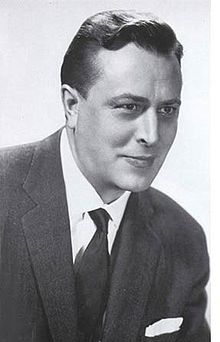 He composed a trombone concerto and two symphonies, he had a degree in chemical engineering as well as being a front-line wartime photographer. Add to this a singing career that took him to more than 30 opera houses, including The Met, Bolshoi and The Vienna State Opera, and almost 100 recordings – and you still have a fairly inaccurate picture of the versatile and multitalented Finnish bass baritone Kim Borg.
 Unlike many famous colleagues Kim Borg never took much interest in his own recordings. “I never listen to them, and I do not own an even remotely complete collection of them. They simply don’t interest me.” One of the gems in the Borg discography is King Marke’s monologue “Tatest du’s wirklich?” from Tristan and Isolde recorded in 1954. Here Borg’s both dignified and heartbreaking portrait of the anguished King gives as much pleasure as anyone on record. One hears how well suited Wagner is to the dark and yet flexible voice. “I have sung everything Wagner wrote within my range. He was a bastard as a person, but he really knew how to write music”.


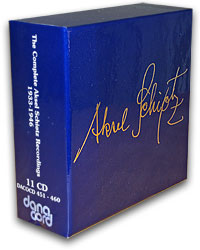
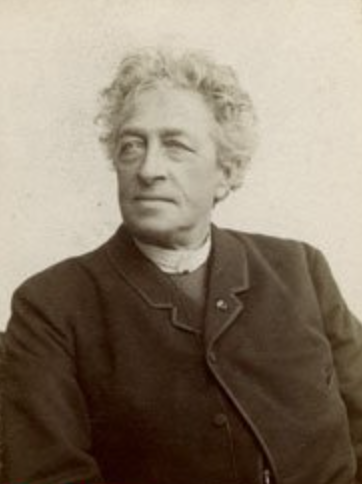

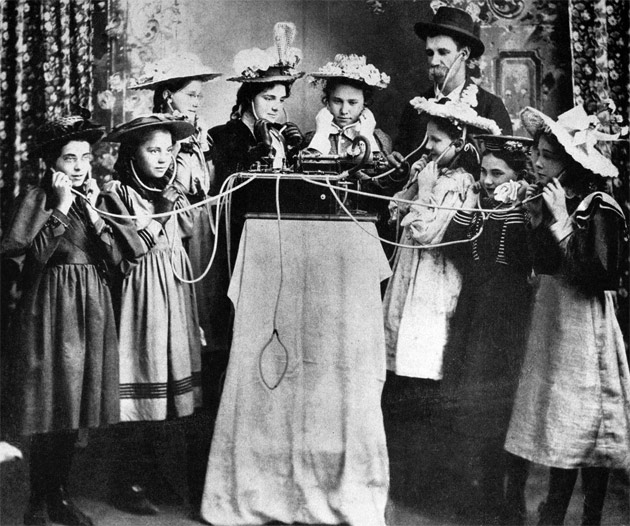


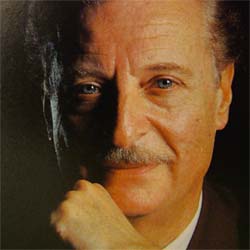


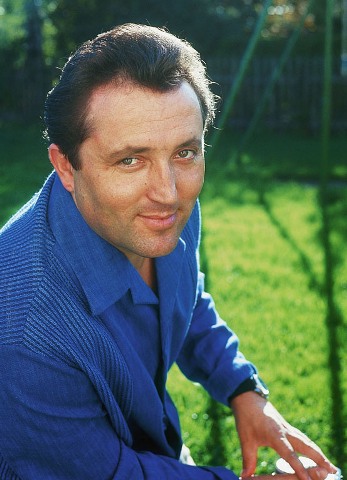


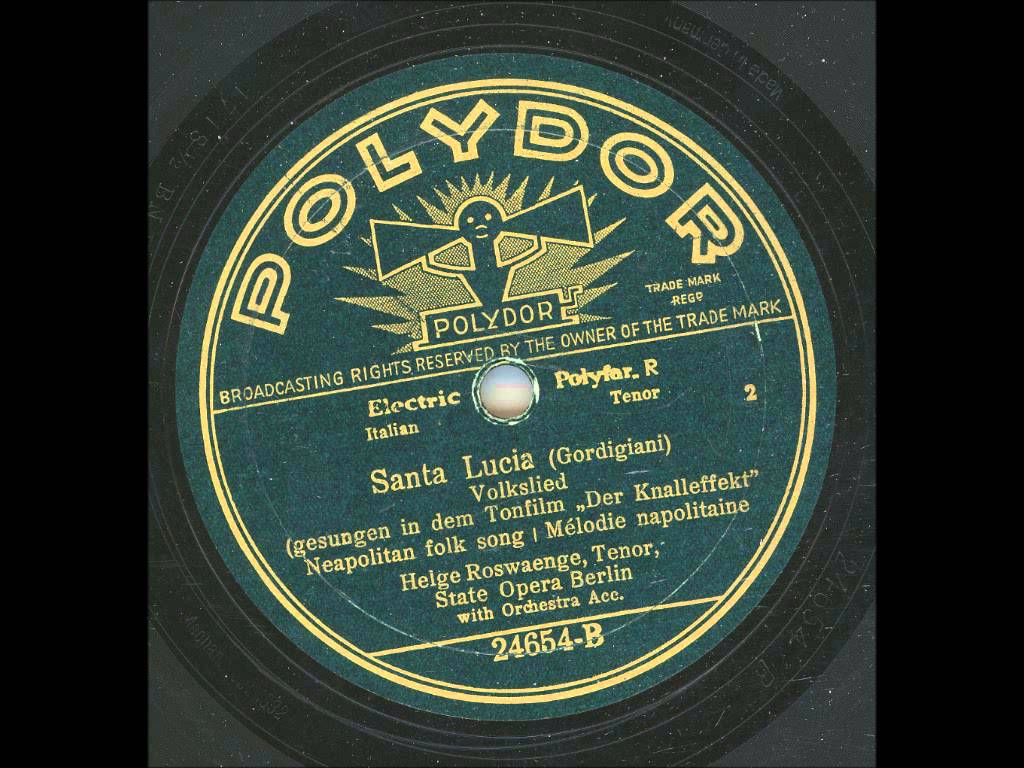

 Tidligere i år vandt han både førstepris og publikumsprisen ved den internationale Renata Tebaldi-konkurrence i San Marino, og han er i øjeblikket i de bedste hænder hos sangpædagogen Elizabeth Norberg-Schulz i Rom.